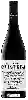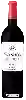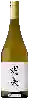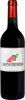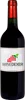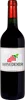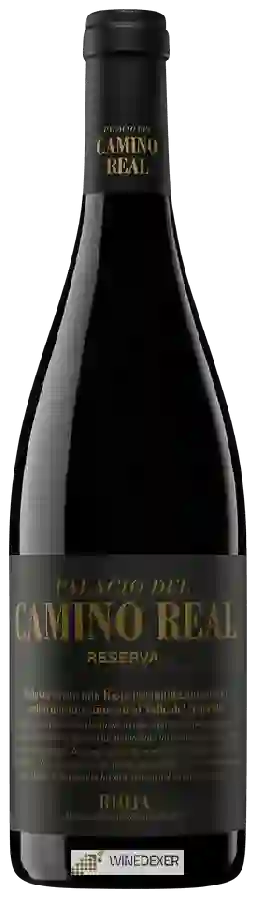
Winery Palacio del Camino RealReserva
 Red wine



In the mouth this red wine is a powerful with a nice balance between acidity and tannins.
This wine generally goes well with poultry, beef or veal.
Taste structure of the Reserva from the Winery Palacio del Camino Real
Light | Bold | |
Smooth | Tannic | |
Dry | Sweet | |
Soft | Acidic |
In the mouth the Reserva of Winery Palacio del Camino Real in the region of Rioja is a powerful with a nice balance between acidity and tannins.
Wine flavors and olphactive analysis



On the nose the Reserva of Winery Palacio del Camino Real in the region of Rioja often reveals types of flavors of non oak, earth or oak and sometimes also flavors of spices, red fruit or black fruit.
Food and wine pairings with Reserva
Pairings that work perfectly with Reserva



Original food and wine pairings with Reserva

The Reserva of Winery Palacio del Camino Real matches generally quite well with dishes of beef, lamb or veal such as recipes of beef fashion, fried vegetables with merguez and chipo or simple and fragrant roast veal.
Details and technical informations about Winery Palacio del Camino Real's Reserva.
Discover the grape variety: Tempranillo
The black Tempranillo is a grape variety native to Spain. It produces a variety of grape specially used for the elaboration of wine. It is rare to find this grape to eat on our tables. This variety of grape is characterized by medium-sized bunches and medium-sized grapes. The black Tempranillo can be found in several vineyards: South-West, Languedoc & Roussillon, Cognac, Bordeaux, Rhone valley, Provence & Corsica, Loire valley, Savoie & Bugey, Beaujolais.
Last vintages of this wine
The best vintages of Reserva from Winery Palacio del Camino Real are 2012, 2007, 2013, 0 and 2011.
Informations about the Winery Palacio del Camino Real
The Winery Palacio del Camino Real is one of of the world's greatest estates. It offers 7 wines for sale in the of Rioja to come and discover on site or to buy online.

The wine region of Rioja
Rioja, in northern Spain, is best known for its berry-flavored, barrel-aged red wines made from Tempranillo and Garnacha. It is probably the leading wine region in Spain. It is certainly the most famous, rivaling only Jerez. The Vineyards follow the course of the Ebro for a hundred kilometres between the towns of Haro and Alfaro.
The word of the wine: Oxidative (breeding)
A method of ageing which aims to give the wine certain aromas of evolution (dried fruit, bitter orange, coffee, rancio, etc.) by exposing it to the air; it is then matured either in barrels, demi-muids or unoaked casks, sometimes stored in the open air, or in barrels exposed to the sun and to temperature variations. This type of maturation characterizes certain natural sweet wines, ports and other liqueur wines.