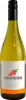
Winery Prada a Tope - Palacio de CanedoAquaplacida
 wine
wine
This wine generally goes well with
The Aquaplacida of the Winery Prada a Tope - Palacio de Canedo is in the top 0 of wines of Bierzo.
Details and technical informations about Winery Prada a Tope - Palacio de Canedo's Aquaplacida.
Discover the grape variety: Schuyler
A complex interspecific cross between zinfandel and ontario (winchelle x diamond) obtained in 1932 by Wellington Richard. and Oberle G.D. at Cornell University in Geneva (United States). It can also be found in Canada, almost unknown in France. We noted that the boskoop glory resembles somewhat the Schuyler even if the origins, each time put forward, are quite different, to be followed!
Informations about the Winery Prada a Tope - Palacio de Canedo
The Winery Prada a Tope - Palacio de Canedo is one of of the world's great estates. It offers 27 wines for sale in the of Bierzo to come and discover on site or to buy online.

The wine region of Bierzo
The wine region of Bierzo is located in the region of Castille-et-Léon of Spain. Wineries and vineyards like the Domaine Descendientes de J. Palacios or the Domaine Descendientes de J. Palacios produce mainly wines red, white and pink.
The wine region of Castille-et-Léon
Located in the northern half of the Central Iberian plateau, Castilla y León is the largest of Spain's 17 administrative regions, covering about one-fifth of the country's total area. It extends about 350 kilometres (220 miles) from central Spain to the northern coast. Just as wide, it connects the Rioja wine region to the Portuguese border. Red wines reign supreme in Castilla y León, and the Tempranillo grape is undoubtedly the king.
The word of the wine: Balthazar
Bottle with a capacity of 12 litres.