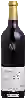
Winery PagliosaVinho Tinto De Mesa Seco Tinto Pagliosa
 Red wine


This wine generally goes well with

Details and technical informations about Winery Pagliosa's Vinho Tinto De Mesa Seco Tinto Pagliosa.
Discover the grape variety: Khikhvi
Structured and aromatic whites, with an amber-golden robe in qvevri, full mouthfeel and preserved acidity, with intense aromas of yellow fruits (apricot, peach), honey, white flowers, dried fruits and soft spices. Produced as dry, sweet and tannic orange wines by long skin maceration. Star of Kakheti, often vinified in qvevri (clay jars, UNESCO method). An autochthonous Georgian variety distinguished for its amber wines.
Last vintages of this wine
The best vintages of Vinho Tinto De Mesa Seco Tinto Pagliosa from Winery Pagliosa are 0
Informations about the Winery Pagliosa
The Winery Pagliosa is one of of the world's greatest estates. It offers 4 wines for sale in the of Serra Gaúcha to come and discover on site or to buy online.

The wine region of Serra Gaúcha
Brazil's wine capital, Rio Grande do Sul. Specialty: high-quality traditional-method sparklers, fine and fruity (apple, citrus, white flowers), elegant bubble, alpine expression of the south. Still wines mostly European: round fruity Merlot, firm Cabernet Sauvignon, more tannic Tannat, fresh Chardonnay, supple Riesling Italico, fine Pinot Noir. Marked by Italian immigration in 1875, humid climate tempered by altitude.
The wine region of Rio Grande do Sul
Brazil's winemaking heart (~80% of production), Italian tradition. Recognised specialty: traditional-method sparkling wines (espumantes), fresh and fruity, based on Chardonnay and Pinot Noir, among South America's finest. Accessible reds: supple, fruity Merlot (plum, cherry), fleshy Cabernet Sauvignon, dense, tannic Tannat. Round Chardonnay, light Riesling Italico, sweet, floral Moscato whites.
The word of the wine: Fruity
A wine whose nose is first characterized by aromas reminiscent of the world of fruit. A wine to be drunk young is essentially fruity, but all wines offer this type of aroma in the first place, which can evolve over time, from the scent of fresh fruit to cooked, stewed, candied or brandied fruit.