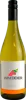
Winery P. Licht Bergweiler ErbenBrauneberger Mandelgraben Spätlese
 wine
wine
This wine generally goes well with
The Brauneberger Mandelgraben Spätlese of the Winery P. Licht Bergweiler Erben is in the top 0 of wines of Brauneberg.
Details and technical informations about Winery P. Licht Bergweiler Erben's Brauneberger Mandelgraben Spätlese.
Discover the grape variety: Peloursin
Peloursin is an ancient grape variety from the Grésivaudant Valley in Isère. Its bunches are of medium size. They are conical-cylindrical, compact and winged. The berries are rather large and covered with a thin bluish-black or rarely grey skin. The peloursin is now endangered. It only occupies half a hectare and is almost never propagated. This variety buds late. The grapes can be picked from the twentieth day after the chasselas harvest. Peloursin's bearing is somewhat sloping. This variety is very vigorous and can become very productive over the years as its stocks become larger and larger. However, it must be protected from black rot and grey rot, which it is particularly afraid of. The wine produced from Peloursin has a fairly good colour, astringent but still ordinary.
Informations about the Winery P. Licht Bergweiler Erben
The Winery P. Licht Bergweiler Erben is one of of the world's great estates. It offers 13 wines for sale in the of Brauneberg to come and discover on site or to buy online.

The wine region of Brauneberg
The wine region of Brauneberg is located in the region of Mosel of Germany. Wineries and vineyards like the Domaine Fritz Haag or the Domaine Fritz Haag produce mainly wines white, sweet and sparkling. The most planted grape varieties in the region of Brauneberg are Riesling et Chardonnay, they are then used in wines in blends or as a single variety. On the nose of Brauneberg often reveals types of flavors of pineapple, oil or petroleum and sometimes also flavors of kerosene, marmalade or tropical fruit.
The wine region of Mosel
Mosel is the most famous of Germany's 13 official wine regions, and also the third largest in terms of production. As with many German regions, it is most aasociated with a range of wine styles made from the Riesling grape variety, but Müller-Thurgau is also widely planted. The best Mosel Riesling wines are some of the finest whites in the world. Light and low in Alcohol, they can be intensely fragrant with beguiling Floral">floral and Mineral notes, and a wonderful Balance of sweetness and Acidity.
The word of the wine: Powdery mildew
Disease of the vine due to a fungus. Less dreadful than mildew, it only attacks the surface of the green parts. Sulphur has long been the best remedy.