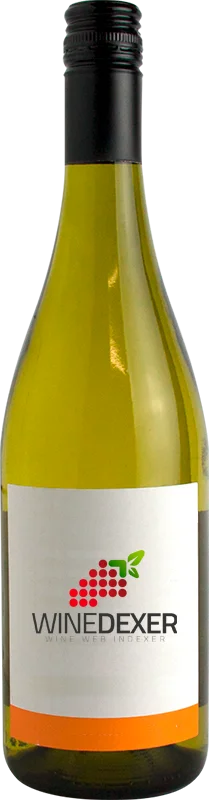
Winery P. de Marcilly FrèresBâtard-Montrachet
 White wine
This wine generally goes well with rich fish (salmon, tuna etc), shellfish or mild and soft cheese.
Food and wine pairings with Bâtard-Montrachet
Pairings that work perfectly with Bâtard-Montrachet



Original food and wine pairings with Bâtard-Montrachet


The Bâtard-Montrachet of Winery P. de Marcilly Frères matches generally quite well with dishes of pasta, rich fish (salmon, tuna etc) or shellfish such as recipes of pasta with scamorza and pancetta cheese, grilled tuna with mediterranean marinade or waterzooï of the sea.
Details and technical informations about Winery P. de Marcilly Frères's Bâtard-Montrachet.
Discover the grape variety: Gros Verdot
Girondine most certainly like the Petit Verdot. It is almost no longer present in the vineyard, no longer multiplied and therefore very clearly on the way to extinction.
Informations about the Winery P. de Marcilly Frères
The Winery P. de Marcilly Frères is one of of the world's great estates. It offers 45 wines for sale in the of Bâtard-Montrachet Grand Cru to come and discover on site or to buy online.

The wine region of Bâtard-Montrachet Grand Cru
The wine region of Bâtard-Montrachet Grand Cru is located in the region of Puligny-Montrachet of Burgundy of France. Wineries and vineyards like the Domaine J. M. Boillot or the Domaine Leflaive produce mainly wines white and red.
The wine region of Burgundy
Bourgogne is the catch-all regional appellation title of the Burgundy wine region in eastern France ("Bourgogne" is the French name for Burgundy). Burgundy has a Complex and comprehensive appellation system; counting Premier Cru and Grand Cru titles, the region has over 700 appellation titles for its wines. Thus, Burgundy wines often come from one Vineyard (or several separate vineyards) without an appellation title specific to the region, Village or even vineyard. A standard Burgundy wine may be made from grapes grown in one or more of Burgundy's 300 communes.
The word of the wine: Rosé de saignée
A method of making rosé wine that consists of partially draining a vat of red wine after a few hours of maceration. The longer the maceration, the stronger the colour. This practice gives rich and expressive rosés.