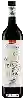
Winery OrsognaEbrio Cococciola
 White wine
In the mouth this white wine is a with a nice freshness.
This wine generally goes well with vegetarian, appetizers and snacks or lean fish.

Taste structure of the Ebrio Cococciola from the Winery Orsogna
Light | Bold | |
Dry | Sweet | |
Soft | Acidic |
In the mouth the Ebrio Cococciola of Winery Orsogna in the region of Abruzzo is a with a nice freshness.
Food and wine pairings with Ebrio Cococciola
Pairings that work perfectly with Ebrio Cococciola



Original food and wine pairings with Ebrio Cococciola


The Ebrio Cococciola of Winery Orsogna matches generally quite well with dishes of vegetarian, pasta or appetizers and snacks such as recipes of quiche with leeks and fresh salmon from flo, special' tagliatelle carbonara or macaroons foie gras / figs.
Details and technical informations about Winery Orsogna's Ebrio Cococciola.
Discover the grape variety: Cococciola
Crisp, aromatic dry whites with a pale golden colour, a lean palate and fresh acidity showing citrus (lemon, grapefruit), white flowers, white-fleshed fruits and Adriatic mineral notes. Also made as fresh sparkling wines (spumante). Enjoying a quality revival among Abruzzese producers who vinify it as a single variety around Chieti.
Informations about the Winery Orsogna
The Winery Orsogna is one of of the world's great estates. It offers 97 wines for sale in the of Abruzzo to come and discover on site or to buy online.

The wine region of Abruzzo
Accessible, identity-driven Italian duo. Montepulciano d'Abruzzo as red: deep colour, intense aromas of black cherry, ripe plum, sweet spices and balsamic notes, round tannins and a gourmet finish, from everyday to age-worthy Riserva. Cerasuolo d'Abruzzo DOCG as a fleshy, fruity rosé (strawberry, pomegranate). Trebbiano d'Abruzzo as a straight white with citrus and white flowers, sublimated by a few cult producers (Valentini).
The word of the wine: Second fermentation
In the making of champagne, fermentation of the base wine to which is added the liqueur de tirage and which takes place in the bottle. This second fermentation produces the carbon dioxide, and therefore the bubbles that make up the effervescence of the wine.