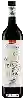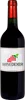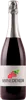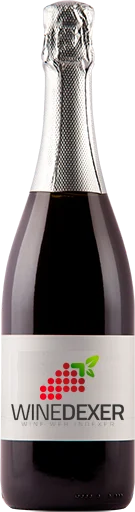
Winery OrsognaA'Namurat Frizzante
 Sparkling wine


This wine generally goes well with pork, vegetarian or poultry.

Food and wine pairings with A'Namurat Frizzante
Pairings that work perfectly with A'Namurat Frizzante



Original food and wine pairings with A'Namurat Frizzante

The A'Namurat Frizzante of Winery Orsogna matches generally quite well with dishes of pork, rich fish (salmon, tuna etc) or vegetarian such as recipes of basque chicken with chorizo, pasta with tuna or mushroom, bacon and gruyere quiche.
Details and technical informations about Winery Orsogna's A'Namurat Frizzante.
Discover the grape variety: Chardonnay
Whites with many faces: mineral and taut at Chablis (lemon, green apple, flint), opulent and buttery at Meursault and Puligny-Montrachet (hazelnut, brioche, yellow fruits), tense and chalky in Champagne (Blanc de Blancs). Also vinified sparkling and widely exported (Sonoma, Margaret River, Casablanca). A Burgundian variety, a cross of Pinot Noir × Gouais Blanc, half-sibling of Aligoté.
Last vintages of this wine
The best vintages of A'Namurat Frizzante from Winery Orsogna are 0
Informations about the Winery Orsogna
The Winery Orsogna is one of of the world's great estates. It offers 97 wines for sale in the of Abruzzo to come and discover on site or to buy online.

The wine region of Abruzzo
Accessible, identity-driven Italian duo. Montepulciano d'Abruzzo as red: deep colour, intense aromas of black cherry, ripe plum, sweet spices and balsamic notes, round tannins and a gourmet finish, from everyday to age-worthy Riserva. Cerasuolo d'Abruzzo DOCG as a fleshy, fruity rosé (strawberry, pomegranate). Trebbiano d'Abruzzo as a straight white with citrus and white flowers, sublimated by a few cult producers (Valentini).
The word of the wine: Maturing (champagne)
After riddling, the bottles are stored on "point", upside down, with the neck of one bottle in the bottom of the other. The duration of this maturation is very important: in contact with the dead yeasts, the wine takes on subtle aromas and gains in roundness and fatness. A brut without year must remain at least 15 months in the cellar after bottling, a vintage 36 months.