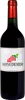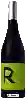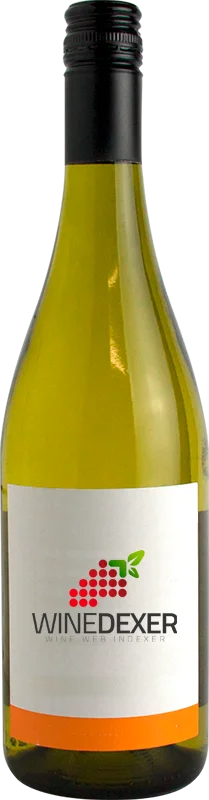
Winery OrielSauvignon Blanc
 White wine


This wine generally goes well with vegetarian, rich fish (salmon, tuna etc) or shellfish.

Wine flavors and olphactive analysis

On the nose the Sauvignon Blanc of Winery Oriel in the region of Vin de France often reveals types of flavors of tree fruit, citrus fruit or tropical fruit.
Food and wine pairings with Sauvignon Blanc
Pairings that work perfectly with Sauvignon Blanc



Original food and wine pairings with Sauvignon Blanc
The Sauvignon Blanc of Winery Oriel matches generally quite well with dishes of rich fish (salmon, tuna etc), shellfish or vegetarian such as recipes of tuna sandwich, shrimp marinade or quiche without eggs.
Details and technical informations about Winery Oriel's Sauvignon Blanc.
Discover the grape variety: Koshu
Delicate, taut whites with a pale, slightly pinkish robe (grey-pink skin), an airy palate and fresh acidity, with subtle aromas of citrus (yuzu, grapefruit), green apple, white flowers, pear, almond and saline mineral notes. Slightly bitter, refined finish. Signature of the modern whites of Yamanashi (around Mount Fuji) and the locomotive of Japanese wine exports. Autochthonous hybrid variety (vinifera × vitis amurensis), cultivated in Japan for over a thousand years.
Last vintages of this wine
The best vintages of Sauvignon Blanc from Winery Oriel are 0
Informations about the Winery Oriel
The Winery Oriel is one of of the world's greatest estates. It offers 6 wines for sale in the of Vin de France to come and discover on site or to buy online.

The wine region of Vin de France
The freest category of French wine, the playground of winemakers working outside the AOC. All styles combined: fruity reds, lively or ambitious whites, everyday rosés, unusual blends, natural wines, atypical grapes (Petit Manseng in Languedoc, Riesling in Provence), experimental winemaking (skin-contact whites, no sulphur). Grape and vintage labelling allowed, no geographic constraint. From the pop, convivial cuvée to the artisan gem: freedom in a bottle.
The word of the wine: Malolactic fermentation
Called second fermentation or malo for short. It is the degradation (under the effect of bacteria) of the malic acid naturally present in the wine into milder, less aggressive lactic acid. Some producers or wineries refuse this operation by "blocking the malo" (by cold and adding SO2) to keep a maximum of acidity which carries the aromas and accentuates the sensation of freshness.