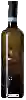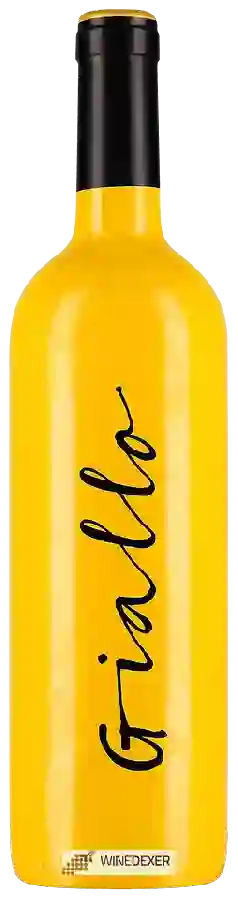
Winery Tenuta Oppida AmineaGiallo
 White wine


In the mouth this white wine is a powerful.
This wine generally goes well with vegetarian, appetizers and snacks or shellfish.

Taste structure of the Giallo from the Winery Tenuta Oppida Aminea
Light | Bold | |
Dry | Sweet | |
Soft | Acidic |
In the mouth the Giallo of Winery Tenuta Oppida Aminea in the region of Campania is a powerful.
Food and wine pairings with Giallo
Pairings that work perfectly with Giallo



Original food and wine pairings with Giallo
The Giallo of Winery Tenuta Oppida Aminea matches generally quite well with dishes of shellfish, vegetarian or appetizers and snacks such as recipes of lamb curry indian style, spinach and goat cheese quiche or salted muffins with bacon and grated cheese.
Details and technical informations about Winery Tenuta Oppida Aminea's Giallo.
Discover the grape variety: Esther
Table grape with long clusters and golden berries with thin skin and crunchy flesh, a neutral sweet flavour. Early-ripening and productive. Very rarely vinified. Grown in North America for fresh local consumption, appreciated for its attractive appearance and good shelf life. Marginal outside its region of origin. American white table grape variety obtained by crossing for fresh consumption.
Last vintages of this wine
The best vintages of Giallo from Winery Tenuta Oppida Aminea are 2016, 0, 2017
Informations about the Winery Tenuta Oppida Aminea
The Winery Tenuta Oppida Aminea is one of of the world's greatest estates. It offers 9 wines for sale in the of Campania to come and discover on site or to buy online.

The wine region of Campania
Cradle of southern Italy's great wines on volcanic soils. Majestic Aglianico in red: structured, deep and tannic with notes of black cherry, candied plum, leather and spices, sublimated in age-worthy Taurasi DOCG, the "Barolo of the south". Identity whites of Irpinia: opulent Fiano di Avellino (honey, hazelnut), mineral iodine Greco di Tufo, aromatic Falanghina (peach, flowers). Also supple Piedirosso.
The word of the wine: Pinenc
See servadou iron.