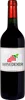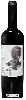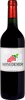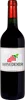
Winery Opera PrimaBlanco
 White wine



This wine generally goes well with

Details and technical informations about Winery Opera Prima's Blanco.
Discover the grape variety: Dabouki
Structured, aromatic dry whites with a pale golden robe, ample palate and moderate acidity, with signature aromas of stone fruits (pear, peach, apricot), white flowers (acacia), citrus and sunny mineral notes. Mediterranean Levantine profile. Historic variety of Levantine terroirs, contributing to the modern viticulture of Israel and Lebanon in full qualitative revival. Indigenous white variety of the Mediterranean Levant (Palestine, Israel, Lebanon, Syria).
Last vintages of this wine
The best vintages of Blanco from Winery Opera Prima are 2011, 2014, 0
Informations about the Winery Opera Prima
The Winery Opera Prima is one of of the world's great estates. It offers 28 wines for sale in the of La Mancha to come and discover on site or to buy online.

The wine region of La Mancha
World's largest contiguous wine area (190,000 ha), south of Madrid. Accessible, sunny wines: Tempranillo (here Cencibel) in full quality rise, supple reds with notes of ripe cherry, plum and spices; spicy Syrah, firm Cabernet Sauvignon, round Merlot. Light neutral Airén whites (75% of the vineyard), fresh Macabeo (Viura). Dry, hot continental climate, limestone and clay soils.
The wine region of Castille
Cradle of great Castilian reds, high-altitude plateaus (450-1000 m) along the Duero. Tempranillo king (aka Tinta de Toro, Tinto Fino): powerful, concentrated, structured reds with notes of black cherry, plum, leather, tobacco and spice, firm tannins from altitude and cool nights. Stars: Ribera del Duero (Vega Sicilia, Pingus), fleshy Toro, Bierzo (floral, mineral Mencía). Lively, herbaceous Verdejo whites from Rueda.
The word of the wine: Solera
A method of maturing practiced in Andalusia for certain sherries, which aims to continuously blend older and younger wines. It consists of stacking several layers of barrels; those located at ground level (solera) contain the oldest wines, the youngest being stored in the barrels on the upper level. The wine to be bottled is taken from the barrels on the lower level, which is replaced by younger wine from the upper level, and so on.