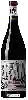
Winery Old MatesSyrah Rosé
 wine
wine
This wine generally goes well with
The Syrah Rosé of the Winery Old Mates is in the top 0 of wines of Stellenbosch.
Details and technical informations about Winery Old Mates's Syrah Rosé.
Discover the grape variety: Mondeuse blanche
Haute-Savoie finds in Mondeuse blanche one of the oldest grape varieties planted in its vineyards. It can be found throughout Savoie and Ain, although its cultivation is not very well developed. Barely 5 hectares of vineyards are planted with this variety. It is known by other names such as savouette, dongine, couilleri or aigre blanc. Mondeuse blanche can be recognized by the downy appearance of its young shoots bearing very tan leaves, reminiscent of spider webs. The leaf blade tends to lose its tan appearance as it ages, while the 5 lobes are clearly defined. Mondeuse blanche produces bunches of grapes that give a wine with good acidity and a long shelf life, which can be kept for up to thirty years. They appear compact, cylindrical and winged. The juicy, sweet and crunchy berries ripen in the second late season. The golden yellow or green skin is quite strong, covering an ovoid or spherical fruit of medium size.
Last vintages of this wine


The best vintages of Syrah Rosé from Winery Old Mates are 0
Informations about the Winery Old Mates
The Winery Old Mates is one of of the world's greatest estates. It offers 4 wines for sale in the of Stellenbosch to come and discover on site or to buy online.

The wine region of Stellenbosch
The wine region of Stellenbosch is located in the region of Coastal Region of Western Cape of South Africa. We currently count 582 estates and châteaux in the of Stellenbosch, producing 3443 different wines in conventional, organic and biodynamic agriculture. The wines of Stellenbosch go well with generally quite well with dishes .
The wine region of Western Cape
The Western Cape is home to the vast majority of the South African wine industry, and the country's two most famous wine regions, Stellenbosch and Paarl. The city of Cape Town serves as the epicenter of the Cape Winelands, a mountainous, biologically diverse area in the south-western corner of the African continent. A wide variety of wines are produced here. Wines from the Shiraz and Pinotage">Pinotage grape varieties can be fresh and juicy or Full-bodied and gutsy.
The word of the wine: Rancio
Odour and taste characteristic of certain wines that have undergone oxidative maturation, i.e. in contact with oxygen (vin jaune du Jura, dry rancio du Roussillon, maury, banyuls, rivesaltes, etc.).