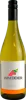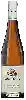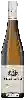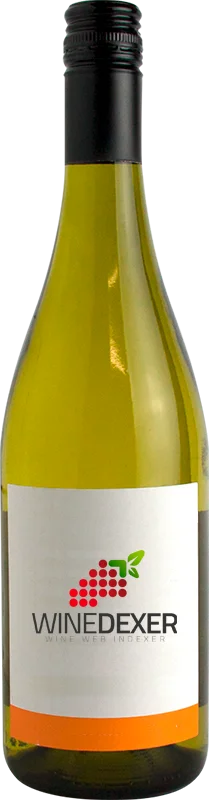
Winery Norbert BrechtSilvaner Spätlese Trocken
 White wine
In the mouth this white wine is a with a nice freshness.
This wine generally goes well with pork, vegetarian or poultry.

Taste structure of the Silvaner Spätlese Trocken from the Winery Norbert Brecht
Light | Bold | |
Dry | Sweet | |
Soft | Acidic |
In the mouth the Silvaner Spätlese Trocken of Winery Norbert Brecht in the region of Pfalz is a with a nice freshness.
Food and wine pairings with Silvaner Spätlese Trocken
Pairings that work perfectly with Silvaner Spätlese Trocken



Original food and wine pairings with Silvaner Spätlese Trocken


The Silvaner Spätlese Trocken of Winery Norbert Brecht matches generally quite well with dishes of veal, pork or vegetarian such as recipes of beef bourguignon with cookéo, simple pork roast or zucchini and goat cheese quiche.
Details and technical informations about Winery Norbert Brecht's Silvaner Spätlese Trocken.
Discover the grape variety: Crescent
Simple, dry and fresh whites with a pale golden colour, a supple palate with moderate acidity and undemonstrative aromas of citrus and white flowers. A discreet rustic profile. Preserved in a few ampelographic collections, this is one of the old heritage varieties whose commercial diffusion has virtually disappeared and is studied for its genetic and historical interest. Rare, poorly documented white variety grown in confidential quantities.
Informations about the Winery Norbert Brecht
The Winery Norbert Brecht is one of of the world's greatest estates. It offers 19 wines for sale in the of Pfalz to come and discover on site or to buy online.

The wine region of Pfalz
Fleshy, dry, fruity Riesling is the region's signature: yellow peach, apricot, ripe citrus, lovely mineral tension. Germany's largest red-wine area (40%), with silky Spätburgunder showing red fruit and spice, darker structured Dornfelder, supple Portugieser. Some rounded Pinot Blanc and Pinot Gris. A 23,640 ha vineyard along the Haardt, among Germany's warmest (>2,000 h of sun).
The word of the wine: Rafle (taste of)
A taste considered a defect, characterized by an unpleasant astringency and bitterness, brought by the stalk during the vinification process. In order to avoid it, destemming before vinification is a common practice.