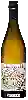
Winery NippgenEdition N Grauer Burgunder Trocken
 White wine
In the mouth this white wine is a .
This wine generally goes well with pork, cured meat or mushrooms.

Taste structure of the Edition N Grauer Burgunder Trocken from the Winery Nippgen
Light | Bold | |
Dry | Sweet | |
Soft | Acidic |
In the mouth the Edition N Grauer Burgunder Trocken of Winery Nippgen in the region of Pfalz is a .
Food and wine pairings with Edition N Grauer Burgunder Trocken
Pairings that work perfectly with Edition N Grauer Burgunder Trocken


Original food and wine pairings with Edition N Grauer Burgunder Trocken

The Edition N Grauer Burgunder Trocken of Winery Nippgen matches generally quite well with dishes of pork, spicy food or mushrooms such as recipes of pork cheeks confit in cider, moroccan chicken tagine or rabbit with cider and mushrooms.
Details and technical informations about Winery Nippgen's Edition N Grauer Burgunder Trocken.
Discover the grape variety: Fetească regală
Lively, aromatic whites to drink young, with a pale golden robe and an airy palate, with signature aromas of citrus (lemon, grapefruit), white flowers (acacia), green apple and fresh herbal notes. Also as sparkling and sweet wines. One of the most planted varieties in Romania, producing accessible dry and medium-dry wines across all regions. Romanian white variety obtained in 1920 at Daneș (fetească albă × grasă de Cotnari).
Informations about the Winery Nippgen
The Winery Nippgen is one of of the world's great estates. It offers 36 wines for sale in the of Pfalz to come and discover on site or to buy online.

The wine region of Pfalz
Fleshy, dry, fruity Riesling is the region's signature: yellow peach, apricot, ripe citrus, lovely mineral tension. Germany's largest red-wine area (40%), with silky Spätburgunder showing red fruit and spice, darker structured Dornfelder, supple Portugieser. Some rounded Pinot Blanc and Pinot Gris. A 23,640 ha vineyard along the Haardt, among Germany's warmest (>2,000 h of sun).
The word of the wine: Dry
Champagne with between 17 and 35 grams of sugar (see dosage liqueur).