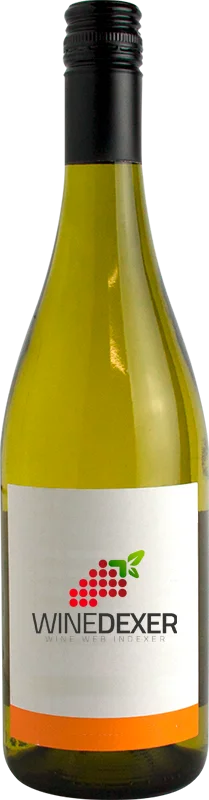
Winery Mount PalomarCastelletto Cortese
 White wine


This wine generally goes well with

Details and technical informations about Winery Mount Palomar's Castelletto Cortese.
Discover the grape variety: Cortese
Lively, structured whites with firm acidity and a slender mouth, featuring aromas of citrus (lemon, grapefruit), green apple, white flowers, fresh almond and chalky mineral notes. Typically saline finish. The absolute star of Gavi DOCG (Cortese di Gavi), one of Italy's great whites, also made as sparkling wines and aged cuvées. Present in Colli Tortonesi DOC and Lombardy. Native Piedmontese grape from the southeast, with a long tradition of noble whites.
Last vintages of this wine
The best vintages of Castelletto Cortese from Winery Mount Palomar are 0
Informations about the Winery Mount Palomar
The Winery Mount Palomar is one of of the world's greatest estates. It offers 46 wines for sale in the of Temecula Valley to come and discover on site or to buy online.

The wine region of Temecula Valley
Californian star of the south (80 mi south of Los Angeles, Riverside): Syrah, Zinfandel and Cabernet as sunny king reds with notes of blackberry, plum, black cherry, pepper, spice and a liquorice touch, round tannins and bright fruit. Italian and Iberian grapes, signatures of the region — Sangiovese, Montepulciano, Tempranillo, Viognier. Chardonnay and Muscat as whites. AVA (1984, 2,500 ac planted), Mediterranean climate moderated by Pacific breezes, thermal amplitude preserving acidity.
The wine region of California
Powerful, sunny reds: dense Napa Cabernet Sauvignon (blackcurrant, chocolate, tobacco, ample tannins), spicy, jammy Zinfandel from the Sierra Foothills, silky red-fruited Pinot Noir on the cool coast (Sonoma, Russian River, Central Coast). Opulent, buttery Chardonnay, notes of yellow fruit and vanilla. Varied climate, from the hot interior to the Pacific-cooled coast. 80% of US production, 139 AVAs including Napa (1st AVA, 1981).
The word of the wine: Extraction
All the methods (pumping over, punching down) that allow the colour and tannins to be extracted from the grape skin during maceration, before fermentation begins. It is also possible to macerate after fermentation, but gently, so as not to extract the tannins from the seeds, which are greener. Because of its solvent power, alcohol favours extraction.