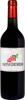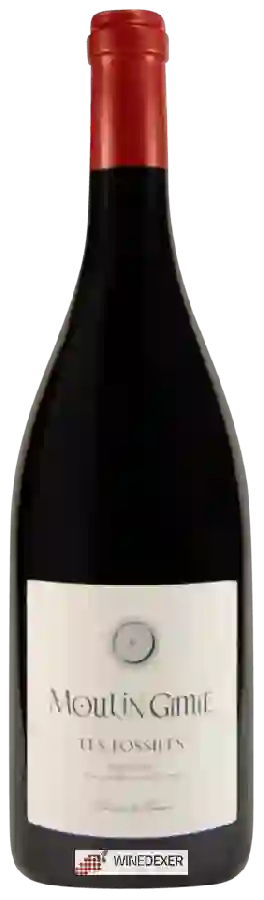
Winery Moulin GimiéLes Fossiles Rouge
 Red wine


This wine is a blend of 2 varietals which are the Mourvèdre and the Merlot.
In the mouth this red wine is a powerful with a nice balance between acidity and tannins.
This wine generally goes well with beef, veal or pasta.

Taste structure of the Les Fossiles Rouge from the Winery Moulin Gimié
Light | Bold | |
Smooth | Tannic | |
Dry | Sweet | |
Soft | Acidic |
In the mouth the Les Fossiles Rouge of Winery Moulin Gimié in the region of Pays d'Oc is a powerful with a nice balance between acidity and tannins.
Wine flavors and olphactive analysis


On the nose the Les Fossiles Rouge of Winery Moulin Gimié in the region of Pays d'Oc often reveals types of flavors of oak.
Food and wine pairings with Les Fossiles Rouge
Pairings that work perfectly with Les Fossiles Rouge



Original food and wine pairings with Les Fossiles Rouge
The Les Fossiles Rouge of Winery Moulin Gimié matches generally quite well with dishes of beef, pasta or veal such as recipes of borscht (russia), bean soup and spaghetti (traditional andalusian dish) or braised veal heart with carrots.
Discover the grape variety: Mourvèdre
Powerful, deep reds with firm tannins and dense texture, showing aromas of blackberry, leather, garrigue, black pepper, liquorice and animal notes (game, forest floor) with age. Star of Bandol AOC as a single variety and pillar of Châteauneuf-du-Pape, Gigondas and Costières blends. Also in GSM in Languedoc and Australia. A late-ripening variety of Spanish origin (Mataró/Monastrell).
Last vintages of this wine

The best vintages of Les Fossiles Rouge from Winery Moulin Gimié are 2014, 2013, 2010, 2012 and 2011.
Informations about the Winery Moulin Gimié
The Winery Moulin Gimié is one of of the world's greatest estates. It offers 11 wines for sale in the of Pays d'Oc to come and discover on site or to buy online.

The wine region of Pays d'Oc
The single-grape IGP par excellence: modern, accessible, frank and fruity wines, the popular signature of the Midi. Spicy Syrah reds (pepper, blackberry), round Merlot, structured Cabernet, generous Grenache, supple Cinsault. Crisp, tangy rosés. Opulent Chardonnay whites, lively Sauvignon, floral, apricoty Viognier.
The word of the wine: Leaflet
Small barrel with a capacity of 112 to 136 litres depending on the region.