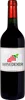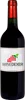
Winery MoritzKastanie
 Red wine



In the mouth this red wine is a powerful with a nice balance between acidity and tannins.
This wine generally goes well with poultry, beef or pasta.
Taste structure of the Kastanie from the Winery Moritz
Light | Bold | |
Smooth | Tannic | |
Dry | Sweet | |
Soft | Acidic |
In the mouth the Kastanie of Winery Moritz in the region of Weinland is a powerful with a nice balance between acidity and tannins.
Food and wine pairings with Kastanie
Pairings that work perfectly with Kastanie



Original food and wine pairings with Kastanie
The Kastanie of Winery Moritz matches generally quite well with dishes of beef, pasta or poultry such as recipes of roast beef in a crust (onions & mustard), pasta with arrabiata or quiche with leeks and fresh salmon from flo.
Details and technical informations about Winery Moritz's Kastanie.
Discover the grape variety: Mauzac
Mauzac is a grape variety, black or white (the white one is better known), originating from the South-West. It is mainly cultivated in the vineyards of Gaillac and Limoux (where it is called blanquette), on about 5,000 hectares. mauzac has medium-sized bunches, composed of berries whose colour can vary from green to red depending on the maturity of the grapes. This grape variety likes limestone and clay-limestone soils, and it is here that it is most productive. Its white wines are fat, with little acidity and marked by aromas of ripe apple, pear, honey, quince, vanilla and violet, typical of the great sweet wines of Gaillac. mauzac also produces the famous Blanquette-de-Limoux in rural method. In this region, Mauzac is competing with Sauvignon, Chenin and Chardonnay, especially for sparkling wines which are more similar to Champagne. It is also used in some appellations such as Entre-deux-Mers, Sainte-Foy-Bordeaux, Côtes-de-Duras, Vins-de-Lavilledieu...
Last vintages of this wine
The best vintages of Kastanie from Winery Moritz are 0
Informations about the Winery Moritz
The Winery Moritz is one of of the world's greatest estates. It offers 8 wines for sale in the of Mittelburgenland to come and discover on site or to buy online.

The wine region of Mittelburgenland
The wine region of Mittelburgenland is located in the region of Burgenland of Weinland of Austria. Wineries and vineyards like the Domaine Gesellmann or the Domaine Gesellmann produce mainly wines red, white and pink. The most planted grape varieties in the region of Mittelburgenland are Zweigelt, Merlot and Cabernet-Sauvignon, they are then used in wines in blends or as a single variety. On the nose of Mittelburgenland often reveals types of flavors of cherry, cream or vegetal and sometimes also flavors of cigar, floral or dried fruit.
The wine region of Weinland
Weinviertel DAC – whose name translates as "wine quarter" – is an appellation in Niederösterreich (Lower Austria). It is by far the largest Districtus Austriae Controllatus wine region in Austria. It was also the first Austrian wine region to be given that title, in 2002, with a DAC Reserve designation added in 2009. The designation applies only to white wines from the Grüner Veltliner Grape variety.
The word of the wine: Pigeage
Operation consisting of a vertical treading to push the cap of marc into the wine, which promotes extraction. Pigeage can be carried out mechanically with jacks that plunge into the vat. Traditionally, it is the men who go down into the vats and push the cap by trampling it.