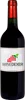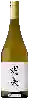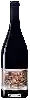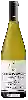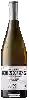
Winery MonteleivaBlanco
 White wine


In the mouth this white wine is a powerful.
This wine generally goes well with appetizers and snacks, lean fish or shellfish.
Taste structure of the Blanco from the Winery Monteleiva
Light | Bold | |
Dry | Sweet | |
Soft | Acidic |
In the mouth the Blanco of Winery Monteleiva in the region of Rioja is a powerful.
Food and wine pairings with Blanco
Pairings that work perfectly with Blanco



Original food and wine pairings with Blanco

The Blanco of Winery Monteleiva matches generally quite well with dishes of shellfish, appetizers and snacks or lean fish such as recipes of tagliatelle with scallops, baked tortilla or thai green curry chicken and eggplant.
Details and technical informations about Winery Monteleiva's Blanco.
Discover the grape variety: Putzcheere
It is believed to have originated in Hungary, in the region bordering Romania, from where it spread to Germany, Alsace and the southwest of France, particularly in the Gers and high Pyrenees departments. It is also found in the United States (California). Today, it is almost absent from French vineyards. - Synonyms: putchir, putscher, butschera (for all the synonyms of the grape varieties, click here!)
Last vintages of this wine
The best vintages of Blanco from Winery Monteleiva are 0
Informations about the Winery Monteleiva
The Winery Monteleiva is one of of the world's greatest estates. It offers 9 wines for sale in the of Rioja to come and discover on site or to buy online.

The wine region of Rioja
Rioja, in northern Spain, is best known for its berry-flavored, barrel-aged red wines made from Tempranillo and Garnacha. It is probably the leading wine region in Spain. It is certainly the most famous, rivaling only Jerez. The Vineyards follow the course of the Ebro for a hundred kilometres between the towns of Haro and Alfaro.
The word of the wine: Drawing (liqueur de)
In champagne and sparkling wines of traditional method, addition to the wine, at the time of bottling (tirage) of sugars and yeasts dissolved in wine. These components will provoke the second fermentation in the bottle leading to the formation of carbon dioxide bubbles.