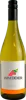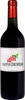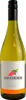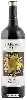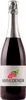
Winery MontelagoRosado
 wine
wine
This wine generally goes well with
The Rosado of the Winery Montelago is in the top 0 of wines of Jumilla.
Details and technical informations about Winery Montelago's Rosado.
Discover the grape variety: Brayades
Most certainly from the Rhone Valley, it was practically only found in the Ardèche. Today, it has almost disappeared and the photographs below may be the last ones as the strain we found has since been pulled out. - Synonymy: exbrayat, to be used in the masculine form (for all the synonyms of the grape varieties, click here!).
Informations about the Winery Montelago
The Winery Montelago is one of of the world's greatest estates. It offers 4 wines for sale in the of Jumilla to come and discover on site or to buy online.

The wine region of Jumilla
The wine region of Jumilla is located in the region of Murcie of Spain. Wineries and vineyards like the Domaine Bodegas El Nido or the Domaine Bodegas El Nido produce mainly wines red, white and pink. The most planted grape varieties in the region of Jumilla are Cabernet-Sauvignon, Tempranillo and Petit Verdot, they are then used in wines in blends or as a single variety. On the nose of Jumilla often reveals types of flavors of oak, orange blossom or honeysuckle and sometimes also flavors of stone fruit, grass or jasmine.
The wine region of Murcie
Murcia is one of the smallest and least known regions in Spain. Nestled in the extreme Southeast of the country, it is bordered by Andalusia to the west, Castilla-La Mancha to the North, Valencia to the east and the Mediterranean Sea to the south. This small administrative region consists of a single province and an administrative centre that share the same name. As far as wine is concerned, Murcia has three designations of origin.
The word of the wine: Presses
The juice that results from pressing the grapes after fermentation. At the end of the maceration, the vats are emptied, the first juice obtained is called the free-run wine and the marc remaining at the bottom of the vat is then pressed to give the press wine. We say more quickly "the presses". Their quality varies according to the vintage and the maceration. A too vigorous extraction releases the tannins of pips and the wine of press can then prove to be very astringent. Often the winemaker raises it separately, deciding later whether or not to incorporate it totally or partially into the grand vin.