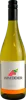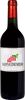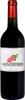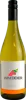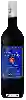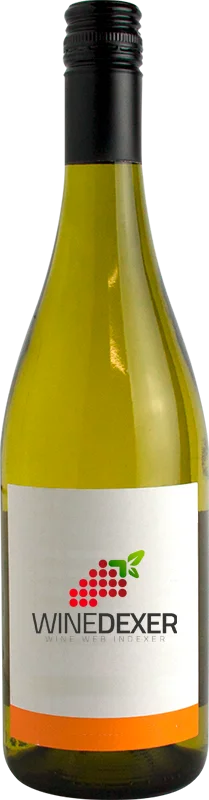
Winery Montariol DegrooteLe Noble Blanc Demi Doux
 Sweet wine
This wine generally goes well with pork, vegetarian or poultry.
Food and wine pairings with Le Noble Blanc Demi Doux
Pairings that work perfectly with Le Noble Blanc Demi Doux



Original food and wine pairings with Le Noble Blanc Demi Doux

The Le Noble Blanc Demi Doux of Winery Montariol Degroote matches generally quite well with dishes of pork, rich fish (salmon, tuna etc) or vegetarian such as recipes of rabbit with prunes, cod and potato gratin or ham and comté quiche.
Details and technical informations about Winery Montariol Degroote's Le Noble Blanc Demi Doux.
Discover the grape variety: Chardonnay
The white Chardonnay is a grape variety that originated in France (Burgundy). It produces a variety of grape specially used for wine making. It is rare to find this grape to eat on our tables. This variety of grape is characterized by small bunches, and small grapes. White Chardonnay can be found in many vineyards: South West, Burgundy, Jura, Languedoc & Roussillon, Cognac, Bordeaux, Beaujolais, Savoie & Bugey, Loire Valley, Champagne, Rhone Valley, Armagnac, Lorraine, Alsace, Provence & Corsica.
Informations about the Winery Montariol Degroote
The Winery Montariol Degroote is one of of the world's great estates. It offers 38 wines for sale in the of Languedoc-Roussillon to come and discover on site or to buy online.

The wine region of Languedoc-Roussillon
Languedoc (formerly Coteaux du Languedoc) is a key appellation used in the Languedoc-Roussillon wine region of southern France. It covers Dry table wines of all three colors (red, white and rosé) from the entire region, but leaves Sweet and Sparkling wines to other more specialized appellations. About 75% of all Languedoc wines are red, with the remaining 25% split roughly down the middle between whites and rosés. The appellation covers most of the Languedoc region and almost a third of all the vineyards in France.
The word of the wine: Cuvée prestige (champagne)
Vintage or not, it is composed of a selection of terroirs and generally comes from the first press after eliminating the very first juices that come out of the press. The best known? Dom Pérignon, Cristal de Roederer, Grand Siècle de Laurent-Perrie, Louise at Pommery. In fact, all the houses and most of the independent winegrowers have their own prestige cuvee.