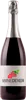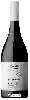
Caves da MontanhaColina da Espada Alentejano Tinto
 Red wine


In the mouth this red wine is a powerful.
This wine generally goes well with poultry, beef or veal.
Taste structure of the Colina da Espada Alentejano Tinto from the Caves da Montanha
Light | Bold | |
Smooth | Tannic | |
Dry | Sweet | |
Soft | Acidic |
In the mouth the Colina da Espada Alentejano Tinto of Caves da Montanha in the region of Alentejano is a powerful.
Food and wine pairings with Colina da Espada Alentejano Tinto
Pairings that work perfectly with Colina da Espada Alentejano Tinto



Original food and wine pairings with Colina da Espada Alentejano Tinto

The Colina da Espada Alentejano Tinto of Caves da Montanha matches generally quite well with dishes of beef, lamb or veal such as recipes of beef stew, leg of lamb bravado in the oven or pljeskavica (balkan hamburger).
Details and technical informations about Caves da Montanha's Colina da Espada Alentejano Tinto.
Discover the grape variety: Rondinella
Its origin is not very precise, it has been cultivated for a very long time in northern Italy, ... . It can be found in Argentina, ... in France it is almost unknown. It would have a link of relationship with the garganega, the refosco dal peduncolo rosso and the corvina.
Last vintages of this wine
The best vintages of Colina da Espada Alentejano Tinto from Caves da Montanha are 2017, 0
Informations about the Caves da Montanha
The Caves da Montanha is one of of the world's great estates. It offers 52 wines for sale in the of Alentejano to come and discover on site or to buy online.

The wine region of Alentejano
Tejo">Alentejo is a well-known, highly respected wine region in eastern Portugal. This hot, Dry area covers approximately a third of the country and is best known for its red wine, the best of which are sold under the and Alentejo DOC (Denominacao de Origem Controlada) title. Wine from Alentejo is typically made from Aragonez (Tempranillo), Castelao, Trincadeira or a Rich, ripe, jammy blend of the three. Antao Vaz is the white variety of choice here, producing a good level of Acidity and tropical fruit flavors.
The word of the wine: Sulphur
An antiseptic and antioxidant substance known since antiquity, probably already used by the Romans. But it was only in modern times that its use was rediscovered. It will allow a better conservation of the wine and thus favour its export. Sulphur also gave the 18th century winegrower the possibility of extending the maceration period without fearing that the wine would turn sour and thus go from dark rosé wines to the red wines of today. Excessive sulphur, on the other hand, kills happiness, paralysing the aromas and causing headaches.