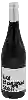
Domaine MonplezyDélice
 Red wine


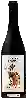
In the mouth this red wine is a powerful with a nice balance between acidity and tannins.
This wine generally goes well with beef, veal or pasta.

Taste structure of the Délice from the Domaine Monplezy
Light | Bold | |
Smooth | Tannic | |
Dry | Sweet | |
Soft | Acidic |
In the mouth the Délice of Domaine Monplezy in the region of Vin de France is a powerful with a nice balance between acidity and tannins.
Food and wine pairings with Délice
Pairings that work perfectly with Délice



Original food and wine pairings with Délice
The Délice of Domaine Monplezy matches generally quite well with dishes of beef, pasta or veal such as recipes of navarin of lamb, pasta with ham and tomato or veal paupiettes with white wine.
Details and technical informations about Domaine Monplezy's Délice.
Discover the grape variety: Tinto Fino
Structured, elegant reds with a deep, dark ruby color, firm, fine tannins and a dense palate, offering intense aromas of black fruits (blackberry, blackcurrant, plum), black cherry, tobacco, leather, spices and balsamic notes. Fine cellaring potential, excelling in American and French oak ageing. Star of Ribera del Duero DO (Vega Sicilia, Pingus, Pesquera) on the Castilian high plateaux. Synonym for tempranillo in Ribera del Duero.
Informations about the Domaine Monplezy
The Domaine Monplezy is one of of the world's greatest estates. It offers 23 wines for sale in the of Vin de France to come and discover on site or to buy online.

The wine region of Vin de France
The freest category of French wine, the playground of winemakers working outside the AOC. All styles combined: fruity reds, lively or ambitious whites, everyday rosés, unusual blends, natural wines, atypical grapes (Petit Manseng in Languedoc, Riesling in Provence), experimental winemaking (skin-contact whites, no sulphur). Grape and vintage labelling allowed, no geographic constraint. From the pop, convivial cuvée to the artisan gem: freedom in a bottle.
The word of the wine: Amylic
Aroma reminiscent of banana, candy, and sometimes nail polish, particularly present in primeur wines. The amylic taste is reminiscent of the aromas of industrial confectionery and does not reflect a great expression of terroir.