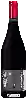
Winery Moillard-GrivotLes Grèbes
 Red wine
This wine generally goes well with
Details and technical informations about Winery Moillard-Grivot's Les Grèbes.
Discover the grape variety: Merlot noir
This grape variety most certainly originates from the Bordeaux region and is registered in the Official Catalogue of vine varieties, list A1. According to genetic analyses carried out in Montpellier (Hérault), it is the result of a cross between the magdeleine noire des Charentes and the cabernet franc. It should also be noted that it is the half-brother of the côt or malbec and that it is not the black form of the white merlot, but its resemblance reminds us that it is indeed a descendant.
Informations about the Winery Moillard-Grivot
The Winery Moillard-Grivot is one of wineries to follow in Vin de France.. It offers 260 wines for sale in the of Vin de France to come and discover on site or to buy online.

The wine region of Vin de France
Vin de France is the most basic level of quality for wines from France. These are generally uncomplicated everyday drinks - most often blends, but perhaps also Varietal wines based on a well-known Grape variety such as Cabernet Sauvignon, Merlot, Chardonnay or Sauvignon Blanc. Wines from France are those that do not meet the criteria stipulated by the Protected Designation of Origin (PDO) or Protected Geographical Indication (PGI) laws (see information on French wine labels). This may be because the vineyards are outside the delimited production areas or because the grape varieties or winemaking techniques used do not conform to the rules of the local appellations.
The word of the wine: Friendly
Said of a wine whose aspects are pleasant and not too marked.