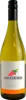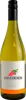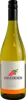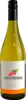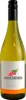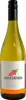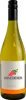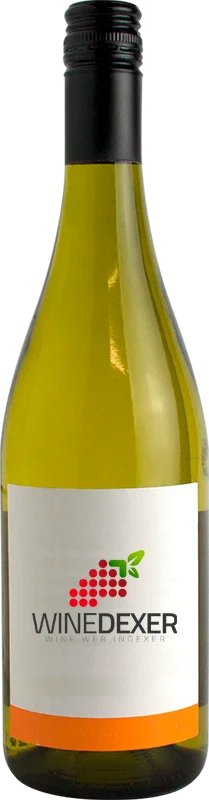
Winery Mikrosvín MikulovTraditional Liščí Vrch Ryzlink Vlašský
 White wine


This wine generally goes well with
The Traditional Liščí Vrch Ryzlink Vlašský of the Winery Mikrosvín Mikulov is in the top 30 of wines of Morava.

Wine flavors and olphactive analysis

On the nose the Traditional Liščí Vrch Ryzlink Vlašský of Winery Mikrosvín Mikulov in the region of Morava often reveals types of flavors of earth, tree fruit or citrus fruit.
Details and technical informations about Winery Mikrosvín Mikulov's Traditional Liščí Vrch Ryzlink Vlašský.
Discover the grape variety: Ekigaïna
Deeply coloured and structured reds with a deep ruby robe, firm to powerful tannins and a dense palate, with signature aromas of black fruits (blackberry, blackcurrant), plum, spices and balsamic notes. Fine ageing potential as a tannic red. Grown mainly in the South-West for IGPs, it offers excellent potential for red wines with ageing ability. French black grape obtained in 1956 by crossing Tannat × Cabernet Sauvignon, like Arinarnoa.
Last vintages of this wine

The best vintages of Traditional Liščí Vrch Ryzlink Vlašský from Winery Mikrosvín Mikulov are 2015, 0, 2016, 2012
Informations about the Winery Mikrosvín Mikulov
The Winery Mikrosvín Mikulov is one of of the world's greatest estates. It offers 64 wines for sale in the of Morava to come and discover on site or to buy online.

The wine region of Morava
Predominantly white region, lively and mineral: crisp, peppery Grüner Veltliner, taut Riesling with citrus, supple, floral Müller-Thurgau, aromatic Pálava, the local signature (muscat, white flowers). More discreet reds: spicy Frankovka (Blaufränkisch) with black fruits, fine, silky Saint Laurent. Temperate continental climate, 4 sub-regions: Mikulov, Velké Pavlovice, Znojmo, Slovácko. ~96% of the Czech vineyard, 73 grapes grown.
The word of the wine: Tartar (deposit)
White, chalky deposits that occur as a result of precipitation inside bottles and are often considered by consumers as a defect. They are in fact tartaric salts formed by tartaric acid, potassium and calcium naturally present in the wine. This deposit does not alter the quality of the wine and can be eliminated by a simple decanting.