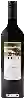
Winery Michel ParisotLe Buisson Corbières
 Red wine
This wine generally goes well with beef, veal or pasta.
Food and wine pairings with Le Buisson Corbières
Pairings that work perfectly with Le Buisson Corbières



Original food and wine pairings with Le Buisson Corbières
The Le Buisson Corbières of Winery Michel Parisot matches generally quite well with dishes of beef, pasta or veal such as recipes of beef tagine with prunes and almonds, pasta with arrabiata or adapted vietnamese fondue.
Details and technical informations about Winery Michel Parisot's Le Buisson Corbières.
Discover the grape variety: Melnik
It is most certainly one of the oldest vitis vinifera varieties found mainly in the southwestern part of Bulgaria, and is not known elsewhere - except perhaps in neighbouring Greece and Macedonia - than in this country where it is recognized as endemic. It should not be confused with Ranna Melnishka Loza, also known as Melnik 55, which is the result of crosses between this Melnik and several known Vitis viniferas, including Valdiguié.
Informations about the Winery Michel Parisot
The Winery Michel Parisot is one of of the world's greatest estates. It offers 2 wines for sale in the of Corbières to come and discover on site or to buy online.

The wine region of Corbières
Corbières is an important appellation in the Languedoc-roussillon">Languedoc-Roussillon region of southern France. It is one of the best known and most productive appellations in the Languedoc. The Corbières vineyards produce large quantities of red and rosé wines, as well as a growing number of white wines. The reds are the strongest Part of the appellation; they are reputedly Rich and herbal, made from Grenache, Syrah, Mourvèdre, Lledoner Pelut and Carignan.
The wine region of Languedoc-Roussillon
Languedoc (formerly Coteaux du Languedoc) is a key appellation used in the Languedoc-Roussillon wine region of southern France. It covers Dry table wines of all three colors (red, white and rosé) from the entire region, but leaves Sweet and Sparkling wines to other more specialized appellations. About 75% of all Languedoc wines are red, with the remaining 25% split roughly down the middle between whites and rosés. The appellation covers most of the Languedoc region and almost a third of all the vineyards in France.
The word of the wine: Venaison
Applied to the bouquet of a wine reminiscent of the smell of big game.