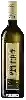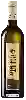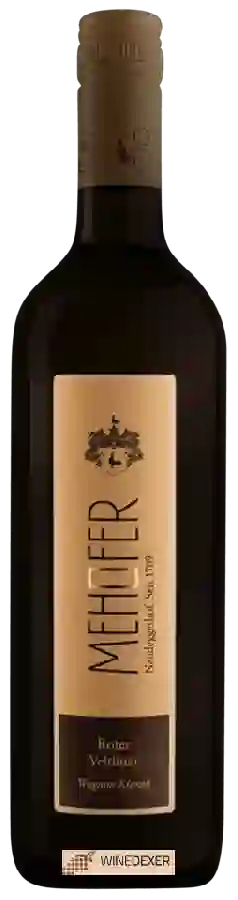
Winery MehoferRoter Veltliner Klassik
 White wine



This wine generally goes well with

Wine flavors and olphactive analysis


On the nose the Roter Veltliner Klassik of Winery Mehofer in the region of Weinland often reveals types of flavors of tree fruit.
Details and technical informations about Winery Mehofer's Roter Veltliner Klassik.
Discover the grape variety: Kalecik Karası
Supple, elegant reds with a light ruby robe, silky tannins and an airy palate with fresh acidity, showing signature aromas of red fruits (cherry, strawberry), soft spices, rose and floral notes. Often compared to Pinot Noir for its finesse. One of the great ambassadors of modern Turkish wine, producing refined reds from the Ankara region. Native black grape of central Anatolia, grown mainly around Kalecik.
Last vintages of this wine
The best vintages of Roter Veltliner Klassik from Winery Mehofer are 2018, 0, 2017
Informations about the Winery Mehofer
The Winery Mehofer is one of of the world's greatest estates. It offers 18 wines for sale in the of Wagram to come and discover on site or to buy online.

The wine region of Wagram
Austrian plateau north of the Danube on deep loess: signature Grüner Veltliner DAC (2021) as king white — spicy and peppery with notes of citrus, yellow fruits, lentil and a loessic mineral touch, remarkable texture and structure. Roter Veltliner, an emblematic grape unique to Wagram (a rare native white despite its name) — full-bodied, complex and age-worthy. Riesling completes it. Aeolian loess over alluvial gravels, continental climate tempered by Danube breezes — strong character.
The wine region of Weinland
Vast German-speaking region in north-eastern Switzerland, the country's largest production area. Signature Pinot Noir (Blauburgunder): fine, fresh reds with notes of cherry, raspberry, undergrowth and sweet spices, silky tannins. Elegant, delicate style, often barrel-aged. Also light, floral Müller-Thurgau (Riesling-Sylvaner), lively, lemony native Räuschling, ample Pinot Gris.
The word of the wine: Tartar (deposit)
White, chalky deposits that occur as a result of precipitation inside bottles and are often considered by consumers as a defect. They are in fact tartaric salts formed by tartaric acid, potassium and calcium naturally present in the wine. This deposit does not alter the quality of the wine and can be eliminated by a simple decanting.