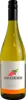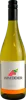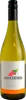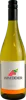
Winery Mazzetti d'AltavillaAmaro Gentile Mazzetti
 wine
wine
This wine generally goes well with
The Amaro Gentile Mazzetti of the Winery Mazzetti d'Altavilla is in the top 0 of wines of Monferrato.

Details and technical informations about Winery Mazzetti d'Altavilla's Amaro Gentile Mazzetti.
Discover the grape variety: Emerald seedless
Seedless table grape with long bunches and yellow-green seedless berries, thin skin and crunchy flesh, with a pleasant sweet flavour. Early-ripening. Very rarely vinified. Grown in California, Australia, South Africa and Chile for export markets, appreciated for its attractive appearance, pleasant taste and excellent cold-room shelf life. American seedless white table grape obtained in California by crossing for fresh consumption.
Informations about the Winery Mazzetti d'Altavilla
The Winery Mazzetti d'Altavilla is one of of the world's great estates. It offers 25 wines for sale in the of Monferrato to come and discover on site or to buy online.

The wine region of Monferrato
Historic cradle of Barbera (native here): indulgent reds with notes of ripe cherry, plum and raspberry, signature fresh acidity and supple tannins. Also identity grapes: pale, tannic, peppery Grignolino red, aromatic Ruchè (rose, spices, DOCG at Castagnole), Freisa and sweet muscat Brachetto. Whites: ample Cortese (base of neighbouring Gavi), aromatic Malvasia. Fruity Dolcetto.
The wine region of Piedmont
Kingdom of Nebbiolo: Barolo and Barbaresco DOCG, long-ageing reds with firm tannins and lively acidity, complex aromas of withered rose, sour cherry, tar, truffle and undergrowth. More accessible, tangy Barbera on red fruit, supple, crisp Dolcetto. Sweet, floral sparkling Moscato d'Asti, mineral, lemony Gavi (Cortese) white, round, almondy Arneis from Roero. 50,000 ha across the Langhe, Roero and Monferrato, UNESCO.
The word of the wine: Rimage
"Vintage", in Catalan. A natural sweet wine that is bottled early to preserve its fruitiness, as opposed to those aged in an oxidizing environment (see this word). Syn.: vintage (for maury, port).