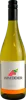
Winery MastrangeloL’Oro del Cardinale Trebbiano d’Abruzzo
 wine
wine
This wine generally goes well with
The L’Oro del Cardinale Trebbiano d’Abruzzo of the Winery Mastrangelo is in the top 0 of wines of Trebbiano d'Abruzzo.
Details and technical informations about Winery Mastrangelo's L’Oro del Cardinale Trebbiano d’Abruzzo.
Discover the grape variety: Gamay à jus blanc
Typical Burgundian grape variety. According to published genetic analyses, it is the result of a natural cross between Pinot and Gouais, which are the same parents of Melon. Gamay is registered in the Official Catalogue of wine grape varieties, list A1.
Informations about the Winery Mastrangelo
The Winery Mastrangelo is one of of the world's greatest estates. It offers 7 wines for sale in the of Trebbiano d'Abruzzo to come and discover on site or to buy online.

The wine region of Trebbiano d'Abruzzo
The wine region of Trebbiano d'Abruzzo is located in the region of Abruzzes of Italy. Wineries and vineyards like the Domaine Valentini or the Domaine Masciarelli produce mainly wines white, red and sparkling. The most planted grape varieties in the region of Trebbiano d'Abruzzo are Chardonnay, they are then used in wines in blends or as a single variety. On the nose of Trebbiano d'Abruzzo often reveals types of flavors of tree fruit, spices or tropical fruit and sometimes also flavors of lemon curd, yellow plum or dried fruit.
The wine region of Abruzzo
Abruzzo is an Italian wine region located on the eastern (Adriatic) coast. Its immediate neighbors in CentralItaly are Marche to the North, Lazio to the west and southwest and Molise to the southeast. Abruzzo has one DOCG - Montepulciano d'Abruzzo Colline Teramane - and three DOC wine appellations. The reds and Cerasuolo d'Abruzzo and Montepulciano d'Abruzzo, as well as the white wine appellation Trebbiano d'Abruzzo are the most notable, followed by the lesser-known Controguerra.
The word of the wine: Paille (wine of)
A sweet wine obtained by passerillage after harvesting bunches of grapes placed on racks or hung in well-ventilated premises.