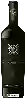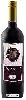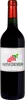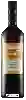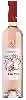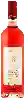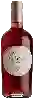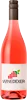
Winery Masseria CicellaSalento Rosato
 Pink wine


This wine generally goes well with

Details and technical informations about Winery Masseria Cicella's Salento Rosato.
Discover the grape variety: Alvina
Simple, fresh dry whites with a pale golden colour, a supple palate with moderate acidity and understated aromas of citrus and white flowers. Discreet rustic profile. Preserved in a few ampelographic collections, it belongs to the heritage varieties whose commercial diffusion has almost disappeared and which are studied for their genetic interest. Rare, poorly documented white variety cultivated in negligible quantities.
Last vintages of this wine
The best vintages of Salento Rosato from Winery Masseria Cicella are 0
Informations about the Winery Masseria Cicella
The Winery Masseria Cicella is one of of the world's great estates. It offers 14 wines for sale in the of Salento to come and discover on site or to buy online.

The wine region of Salento
Heel of the Italian boot, sunny and generous vineyard. Fleshy reds: signature Negroamaro ("black-bitter") deep and sturdy, notes of black cherry, plum, spices and a characteristic bitter finish, star in Salice Salentino DOC. Opulent jammy Primitivo di Manduria (= Zinfandel) with notes of black fruits, chocolate and raisin. Supple Malvasia Nera.
The wine region of Puglia
Heel of the boot, 80% red vineyard, sunny and generous. Fleshy, jammy Primitivo (= Zinfandel) with notes of black cherry, plum, chocolate and spices, powerful alcohol and melted tannins, a star in Primitivo di Manduria. Deep, structured Negroamaro (black-bitter) with a bitter finish in Salice Salentino. Structured Nero di Troia, spicy Susumaniello.
The word of the wine: Destemming
Action consisting in separating the grapes from the stalk before vinification. The stalk, the woody part of the bunch, may give the wine an unpleasant vegetal character.