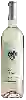
Winery Masia JViura - Chardonnay
 wine
wine
This wine generally goes well with
The Viura - Chardonnay of the Winery Masia J is in the top 0 of wines of La Mancha.

Details and technical informations about Winery Masia J's Viura - Chardonnay.
Discover the grape variety: Gamay blanc Gloriod
Supple, fruity whites to drink young, pale golden, with an airy palate and moderate acidity, showing aromas of white fruits (apple, pear), white flowers and subtle notes. Accessible and thirst-quenching profile. Now rare, grown in small quantities in Beaujolais and Mâconnais for artisanal cuvées. White-skinned mutation of Gamay noir, obtained in Beaujolais by Henri Gloriod in the 20th century.
Informations about the Winery Masia J
The Winery Masia J is one of of the world's greatest estates. It offers 8 wines for sale in the of La Mancha to come and discover on site or to buy online.

The wine region of La Mancha
World's largest contiguous wine area (190,000 ha), south of Madrid. Accessible, sunny wines: Tempranillo (here Cencibel) in full quality rise, supple reds with notes of ripe cherry, plum and spices; spicy Syrah, firm Cabernet Sauvignon, round Merlot. Light neutral Airén whites (75% of the vineyard), fresh Macabeo (Viura). Dry, hot continental climate, limestone and clay soils.
The wine region of Castille
Cradle of great Castilian reds, high-altitude plateaus (450-1000 m) along the Duero. Tempranillo king (aka Tinta de Toro, Tinto Fino): powerful, concentrated, structured reds with notes of black cherry, plum, leather, tobacco and spice, firm tannins from altitude and cool nights. Stars: Ribera del Duero (Vega Sicilia, Pingus), fleshy Toro, Bierzo (floral, mineral Mencía). Lively, herbaceous Verdejo whites from Rueda.
The word of the wine: Oxidative (breeding)
A method of ageing which aims to give the wine certain aromas of evolution (dried fruit, bitter orange, coffee, rancio, etc.) by exposing it to the air; it is then matured either in barrels, demi-muids or unoaked casks, sometimes stored in the open air, or in barrels exposed to the sun and to temperature variations. This type of maturation characterizes certain natural sweet wines, ports and other liqueur wines.