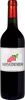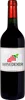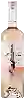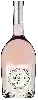
Winery Mas OlivierLe Petit Olivier Cinsault - Grenache Rosé
 Pink wine
In the mouth this pink wine is a with a nice freshness.
This wine generally goes well with vegetarian, appetizers and snacks or lean fish.

Taste structure of the Le Petit Olivier Cinsault - Grenache Rosé from the Winery Mas Olivier
Light | Bold | |
Dry | Sweet | |
Soft | Acidic |
In the mouth the Le Petit Olivier Cinsault - Grenache Rosé of Winery Mas Olivier in the region of Pays d'Oc is a with a nice freshness.
Food and wine pairings with Le Petit Olivier Cinsault - Grenache Rosé
Pairings that work perfectly with Le Petit Olivier Cinsault - Grenache Rosé



Original food and wine pairings with Le Petit Olivier Cinsault - Grenache Rosé


The Le Petit Olivier Cinsault - Grenache Rosé of Winery Mas Olivier matches generally quite well with dishes of pasta, vegetarian or appetizers and snacks such as recipes of spaghetti with tuna (real italian recipe), zucchini and goat cheese quiche or hummus (chickpea puree).
Details and technical informations about Winery Mas Olivier's Le Petit Olivier Cinsault - Grenache Rosé.
Discover the grape variety: Trebbiano Toscano
Neutral, fresh dry whites with a pale golden robe, a supple palate and preserved acidity, with subtle aromas of citrus (lemon), white flowers and herbal notes. A rustic, productive profile. Component of Italian DOC whites (Vin Santo, white Chianti), massively used for Cognac distillation (as Ugni Blanc) and Jerez brandy. The most widely planted Trebbiano variety in Italy, grown mainly in Tuscany and Emilia-Romagna.
Informations about the Winery Mas Olivier
The Winery Mas Olivier is one of of the world's great estates. It offers 28 wines for sale in the of Pays d'Oc to come and discover on site or to buy online.

The wine region of Pays d'Oc
The single-grape IGP par excellence: modern, accessible, frank and fruity wines, the popular signature of the Midi. Spicy Syrah reds (pepper, blackberry), round Merlot, structured Cabernet, generous Grenache, supple Cinsault. Crisp, tangy rosés. Opulent Chardonnay whites, lively Sauvignon, floral, apricoty Viognier.
The word of the wine: Malolactic fermentation
Called second fermentation or malo for short. It is the degradation (under the effect of bacteria) of the malic acid naturally present in the wine into milder, less aggressive lactic acid. Some producers or wineries refuse this operation by "blocking the malo" (by cold and adding SO2) to keep a maximum of acidity which carries the aromas and accentuates the sensation of freshness.