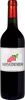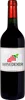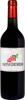
Winery Mas OlivierLe Petit Olivier Cabernet Sauvignon
 Red wine
In the mouth this red wine is a powerful with a nice balance between acidity and tannins.
This wine generally goes well with beef, veal or pasta.
Taste structure of the Le Petit Olivier Cabernet Sauvignon from the Winery Mas Olivier
Light | Bold | |
Smooth | Tannic | |
Dry | Sweet | |
Soft | Acidic |
In the mouth the Le Petit Olivier Cabernet Sauvignon of Winery Mas Olivier in the region of Pays d'Oc is a powerful with a nice balance between acidity and tannins.
Food and wine pairings with Le Petit Olivier Cabernet Sauvignon
Pairings that work perfectly with Le Petit Olivier Cabernet Sauvignon



Original food and wine pairings with Le Petit Olivier Cabernet Sauvignon
The Le Petit Olivier Cabernet Sauvignon of Winery Mas Olivier matches generally quite well with dishes of beef, pasta or veal such as recipes of beef marengo "my mom" style, phad thai (thai style fried noodles) or porcini sauce.
Details and technical informations about Winery Mas Olivier's Le Petit Olivier Cabernet Sauvignon.
Discover the grape variety: Cabernet-Sauvignon
Structured, tannic reds, deeply coloured, with aromas of blackcurrant, blackberry, cedar, tobacco and graphite, underpinned by firm acidity and fine ageing potential. Cornerstone of the great Médoc estates (Pauillac, Saint-Estèphe, Saint-Julien) and signature of Napa Valley, Coonawarra and Maipo. The world's most planted red variety, a natural cross of Cabernet Franc x Sauvignon Blanc born in Bordeaux.
Informations about the Winery Mas Olivier
The Winery Mas Olivier is one of of the world's great estates. It offers 28 wines for sale in the of Pays d'Oc to come and discover on site or to buy online.

The wine region of Pays d'Oc
The single-grape IGP par excellence: modern, accessible, frank and fruity wines, the popular signature of the Midi. Spicy Syrah reds (pepper, blackberry), round Merlot, structured Cabernet, generous Grenache, supple Cinsault. Crisp, tangy rosés. Opulent Chardonnay whites, lively Sauvignon, floral, apricoty Viognier.
The word of the wine: Tartar (deposit)
White, chalky deposits that occur as a result of precipitation inside bottles and are often considered by consumers as a defect. They are in fact tartaric salts formed by tartaric acid, potassium and calcium naturally present in the wine. This deposit does not alter the quality of the wine and can be eliminated by a simple decanting.