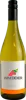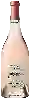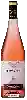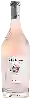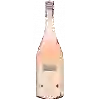
Winery Mas NicotRosé
 Pink wine
This wine generally goes well with vegetarian, appetizers and snacks or lean fish.
Food and wine pairings with Rosé
Pairings that work perfectly with Rosé



Original food and wine pairings with Rosé


The Rosé of Winery Mas Nicot matches generally quite well with dishes of pasta, vegetarian or appetizers and snacks such as recipes of pasta stuffed with meat, tuna, pepper and tomato quiche or aperitif skewers edam/basilic/dry apricot.
Details and technical informations about Winery Mas Nicot's Rosé.
Discover the grape variety: Canner seedless
Cross between hunisa and sultana obtained in 1931 in the United States by Professor Harold P. Olmo of the University of Davis (California). In France, this variety is almost unknown, but it is listed in the official catalogue of vine varieties intended for canning.
Informations about the Winery Mas Nicot
The Winery Mas Nicot is one of wineries to follow in Languedoc.. It offers 4 wines for sale in the of Languedoc to come and discover on site or to buy online.

The wine region of Languedoc
Languedoc (formerly Coteaux du Languedoc) is a key appellation used in the Languedoc-Roussillon wine region of southern France. It covers Dry table wines of all three colors (red, white and rosé) from the entire region, but leaves Sweet and Sparkling wines to other more specialized appellations. About 75% of all Languedoc wines are red, with the remaining 25% split roughly down the middle between whites and rosés. The appellation covers most of the Languedoc region and almost a third of all the vineyards in France.
The wine region of Languedoc-Roussillon
Languedoc (formerly Coteaux du Languedoc) is a key appellation used in the Languedoc-Roussillon wine region of southern France. It covers Dry table wines of all three colors (red, white and rosé) from the entire region, but leaves Sweet and Sparkling wines to other more specialized appellations. About 75% of all Languedoc wines are red, with the remaining 25% split roughly down the middle between whites and rosés. The appellation covers most of the Languedoc region and almost a third of all the vineyards in France.
The word of the wine: Maceration
Prolonged contact and exchange between the juice and the grape solids, especially the skin. Not to be confused with the time of fermentation, which follows maceration. The juice becomes loaded with colouring matter and tannins, and acquires aromas. For a rosé, the maceration is short so that the colour does not "rise" too much. For white wines too, a "pellicular maceration" can be practised, which allows the wine to acquire more fat.