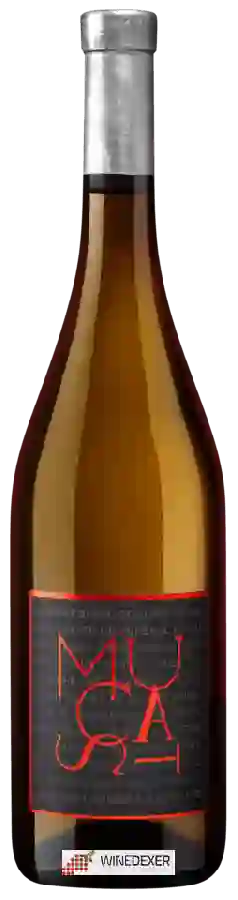
Winery Mas des CapricesMuscat de Rivesaltes
 Natural sweet wine



This wine generally goes well with spicy food and sweet desserts.

Food and wine pairings with Muscat de Rivesaltes
Pairings that work perfectly with Muscat de Rivesaltes


Original food and wine pairings with Muscat de Rivesaltes
The Muscat de Rivesaltes of Winery Mas des Caprices matches generally quite well with dishes of spicy food or sweet desserts such as recipes of coral lentil dahl or birthday cake.
Details and technical informations about Winery Mas des Caprices's Muscat de Rivesaltes.
Discover the grape variety: Hondarrabi Zuri
Lively dry whites, lightly pétillant with a pale golden colour, taut palate and razor-sharp acidity, with signature aromas of citrus (lime, grapefruit), green apple, white flowers and saline marine notes. A thirst-quenching Atlantic profile to drink young. Absolute star of the Txakoli appellations (Getariako Txakolina DO, Bizkaiko Txakolina DO), signing traditional Basque txakoli. An indigenous Basque white variety, grown in the Spanish Basque Country.
Informations about the Winery Mas des Caprices
The Winery Mas des Caprices is one of of the world's great estates. It offers 16 wines for sale in the of Languedoc to come and discover on site or to buy online.

The wine region of Languedoc
Sunny, generous southern reds: spicy, peppery Syrah, round, candied Grenache (ripe fruit, garrigue), deep Mourvèdre, structured Carignan, supple Cinsault. From robust Corbières and Minervois to fresher Terrasses du Larzac, via Faugères on schist or taut Pic Saint-Loup. Lively, iodised Picpoul de Pinet whites (oysters), ample Roussanne and Marsanne. 14 sub-appellations, ~10,000 ha in regional AOC.
The wine region of Languedoc-Roussillon
Largest single French vineyard, dominated by sunny, generous reds. Spicy Syrah, candied Grenache (ripe fruit, garrigue), structured Carignan, deep Mourvèdre, supple Cinsault. Stars: structured Corbières, Minervois, Faugères, Saint-Chinian; round Côtes-du-Roussillon. Legendary vins doux naturels: Banyuls and Maury (fortified Grenache) with notes of cocoa, fig, prune.
The word of the wine: Passerillage
Concentration of the grape by drying out, under the influence of wind or sun, as opposed to botrytisation, which is the concentration obtained by the development of the "noble rot" for which Botrytis cinerea is responsible. The word is mainly used for sweet wines.