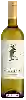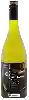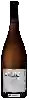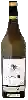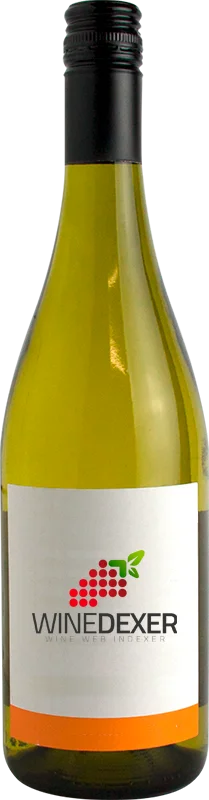
Chateau des AveylansLes Aveylans Le Blanc des Templiers
 White wine
This wine generally goes well with vegetarian, poultry or lean fish.
Food and wine pairings with Les Aveylans Le Blanc des Templiers
Pairings that work perfectly with Les Aveylans Le Blanc des Templiers



Original food and wine pairings with Les Aveylans Le Blanc des Templiers


The Les Aveylans Le Blanc des Templiers of Chateau des Aveylans matches generally quite well with dishes of pasta, vegetarian or poultry such as recipes of pasta with shrimp, summer tuna quiche or moroccan chicken tagine.
Details and technical informations about Chateau des Aveylans's Les Aveylans Le Blanc des Templiers.
Discover the grape variety: Malvoisie de Toscane
It was cultivated in ancient times and is believed to be of Greek origin. In Italy, associated with Trebbiano Toscano, it was used to produce the famous Chianti: these two white varieties are no longer part of the vineyard. In France, Tuscan Malvasia is practically unknown. It should be noted that many grape varieties have "malvasia" as a synonym, so confusion between them is always possible.
Informations about the Chateau des Aveylans
The Chateau des Aveylans is one of wineries to follow in Pays d'Oc.. It offers 8 wines for sale in the of Pays d'Oc to come and discover on site or to buy online.

The wine region of Pays d'Oc
Pays d'Oc is the PGI for red, white and rosé wines that are produced over a wide area of the southern coast of France. The PGI catchment area corresponds roughly to the Languedoc-roussillon">Languedoc-Roussillon wine region, one of the largest wine regions in France. The area covers all wines that are not produced under the strict laws that govern AOC-level appellations in the regions: among them, Corbières, Minervois and the Languedoc appellation itself. The Pays d'Oc PGI is arguably the most important in France, producing the majority of the country's PGI wines.
The word of the wine: Cinsault
Cinsault is a southern black grape variety that can be found in the blends of most Mediterranean appellations, but most often as an accessory grape variety. It is undoubtedly most present in certain rosé wines (in Corbières, Côtes-de-Provence, etc.): it gives these wines highly appreciated aromas of strawberry, peach and raspberry. In vin de pays (IGP), it is often vinified on its own, usually as a rosé.