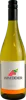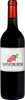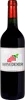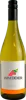
Winery Marques de FuegoBlanco Seco
 White wine



This wine generally goes well with

Details and technical informations about Winery Marques de Fuego's Blanco Seco.
Discover the grape variety: Limniona
Light, elegant reds with a clear ruby robe, smooth tannins and an airy palate with preserved acidity. Delicate signature aromas of red fruits (cherry, raspberry), rose, soft spices and fine floral notes. Finesse profile likened to Pinot Noir. Extremely rare, recently rediscovered and experiencing a fine qualitative revival among modern Greek winemakers around Karditsa. Native Greek black grape of Thessaly.
Last vintages of this wine
The best vintages of Blanco Seco from Winery Marques de Fuego are 0
Informations about the Winery Marques de Fuego
The Winery Marques de Fuego is one of of the world's greatest estates. It offers 3 wines for sale in the of Valdepeñas to come and discover on site or to buy online.

The wine region of Valdepeñas
DO of southern Castilla-La Mancha on a high plain (~700 m), kingdom of Tempranillo under an extreme climate ("nine months of winter, three of hell"). Tempranillo, locally Cencibel: structured, fruity reds with signature notes of ripe cherry, plum, vanilla, leather, tobacco and sweet spices, round tannins — excellent value, from young to long oak-aged Gran Reserva. Also Airén whites (Spain's most planted), fresh and neutral. ~24,000-30,000 ha.
The wine region of Castille
Cradle of great Castilian reds, high-altitude plateaus (450-1000 m) along the Duero. Tempranillo king (aka Tinta de Toro, Tinto Fino): powerful, concentrated, structured reds with notes of black cherry, plum, leather, tobacco and spice, firm tannins from altitude and cool nights. Stars: Ribera del Duero (Vega Sicilia, Pingus), fleshy Toro, Bierzo (floral, mineral Mencía). Lively, herbaceous Verdejo whites from Rueda.
The word of the wine: Premier cru
In Burgundy, third level of classification (above the regional and communal appellations), designating the wines produced on delimited parcels (climats) whose name is added to the communal appellation. The climats classified as first growths are 635.