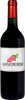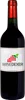
Winery Markus IroZweigelt Selection
 Red wine


This wine generally goes well with

Details and technical informations about Winery Markus Iro's Zweigelt Selection.
Discover the grape variety: Dorona
Structured, marine dry whites with an intense golden robe, an ample palate with saline acidity. Signature aromas of candied citrus, yellow fruits, aromatic herbs and iodine notes from the Venetian lagoon. Singular profile. Symbol of lagoon viticulture, grown in tiny quantities on the islands of Mazzorbo and Sant'Erasmo by committed producers. A native Italian white grape from Veneto, nearly extinct, recently rediscovered.
Last vintages of this wine
The best vintages of Zweigelt Selection from Winery Markus Iro are 0
Informations about the Winery Markus Iro
The Winery Markus Iro is one of of the world's great estates. It offers 24 wines for sale in the of Neusiedlersee to come and discover on site or to buy online.

The wine region of Neusiedlersee
Austrian home of Zweigelt on the east shore of Lake Neusiedl (Burgenland): signature DAC red (≥85%, 12° min) — fruity and harmonious with notes of morello cherry, black berries, fine herbs and a spicy touch, supple tannins and an elegant finish. Legendary sweet wines (botrytised Trockenbeerenauslese from the Seewinkel) in exceptional honeyed whites. Hot, dry continental Pannonian climate, varied gravelly and sandy soils. ~7,500 ha, Gols the epicentre, Zweigelt >70% of plantings.
The wine region of Weinland
Vast German-speaking region in north-eastern Switzerland, the country's largest production area. Signature Pinot Noir (Blauburgunder): fine, fresh reds with notes of cherry, raspberry, undergrowth and sweet spices, silky tannins. Elegant, delicate style, often barrel-aged. Also light, floral Müller-Thurgau (Riesling-Sylvaner), lively, lemony native Räuschling, ample Pinot Gris.
The word of the wine: Effervescent
Any wine loaded with CO2 (carbon dioxide), which is revealed in the form of bubbles, reinforcing the freshness effect in the mouth. This gas production is the result of what is called the second fermentation in the bottle. It occurs in champagnes and sparkling wines such as crémants.