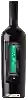
Winery MaremontiLisca Bianca Syrah
 Red wine



In the mouth this red wine is a powerful.
This wine generally goes well with beef, lamb or pasta.

Taste structure of the Lisca Bianca Syrah from the Winery Maremonti
Light | Bold | |
Smooth | Tannic | |
Dry | Sweet | |
Soft | Acidic |
In the mouth the Lisca Bianca Syrah of Winery Maremonti in the region of Sicily is a powerful.
Food and wine pairings with Lisca Bianca Syrah
Pairings that work perfectly with Lisca Bianca Syrah



Original food and wine pairings with Lisca Bianca Syrah
The Lisca Bianca Syrah of Winery Maremonti matches generally quite well with dishes of beef, pasta or lamb such as recipes of beef goulash, maultaschen ( swabian ravioli ) or sauté of lamb with curry.
Details and technical informations about Winery Maremonti's Lisca Bianca Syrah.
Discover the grape variety: Durif
Powerful, deeply coloured reds with an inky, near-black robe, firm tannins and dense palate. Intense aromas of blackberry, plum, blackcurrant, black pepper, chocolate, spices and balsamic notes. Fine ageing potential. Near-extinct in France, it became a star as Petite Sirah in California (Napa, Lodi, Paso Robles) and is emblematic of Rutherglen, Australia. French variety created in 1880 by François Durif in the Isère (spontaneous cross of Syrah × Peloursin).
Last vintages of this wine
The best vintages of Lisca Bianca Syrah from Winery Maremonti are 0, 2014
Informations about the Winery Maremonti
The Winery Maremonti is one of of the world's great estates. It offers 34 wines for sale in the of Sicily to come and discover on site or to buy online.

The wine region of Sicily
Major qualitative renewal. Sunny, expressive reds: fleshy, spicy Nero d'Avola (black cherry, blackberry, liquorice), fine, mineral Nerello Mascalese on Etna (recalls Pinot Noir), light, crisp Frappato in Cerasuolo di Vittoria DOCG. Lively, saline whites: Catarratto, fat, iodised Grillo, taut Carricante, floral Inzolia. Amber, walnutty fortified Marsala.
The word of the wine: Tertiary aromas
Aromas resulting from the aging of the wine in the bottle. The aromas evolve with time, from fresh fruitiness to notes of stewed, candied or dried fruit, to aromas of venison or undergrowth.