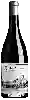
Maison PlantevinGlück auf Küwee Ewald
 Red wine
This wine generally goes well with beef, game (deer, venison) or lamb.

Food and wine pairings with Glück auf Küwee Ewald
Pairings that work perfectly with Glück auf Küwee Ewald



Original food and wine pairings with Glück auf Küwee Ewald
The Glück auf Küwee Ewald of Maison Plantevin matches generally quite well with dishes of beef, lamb or game (deer, venison) such as recipes of beef colombo bourguignon style, express couscous in a pressure cooker or duck aiguillettes.
Details and technical informations about Maison Plantevin's Glück auf Küwee Ewald.
Discover the grape variety: Tintilia
Structured, intensely coloured reds with a deep ruby colour, firm tannins and dense palate, showing signature aromas of black fruits (blackberry, blackcurrant), plum, spices, Mediterranean herbs and balsamic notes. Good ageing potential. Star of the Molise Tintilia DOC, a regional ampelographic revival. Native Italian black variety from Molise, almost extinct and recently rediscovered.
Informations about the Maison Plantevin
The Maison Plantevin is one of of the world's great estates. It offers 15 wines for sale in the of Côtes-du-Rhône to come and discover on site or to buy online.

The wine region of Côtes-du-Rhône
Accessible reference for Mediterranean reds: dominant Grenache as king (≥50% in the south) - supple and fruity with notes of cherry, strawberry, garrigue, pepper and a touch of sweet spices, round tannins. Fleshy Syrah (blackcurrant, violet, black pepper), dense Mourvèdre, Cinsault and Carignan in support. In the north, racy, deep Syrah solo. Generous rosés and floral whites (Grenache Blanc, Clairette, Viognier).
The wine region of Rhone Valley
France's 2nd-largest AOC vineyard, two complementary worlds. Northern: pure Syrah in signature reds (Côte-Rôtie, Hermitage, Cornas), deep and peppery with blackberry, violet, black olive and smoked bacon notes, exceptional ageing. Opulent Viognier whites (Condrieu, apricot, flowers) and ample Marsanne-Roussanne. Southern: sun-soaked Grenache blends at Châteauneuf, Gigondas, Vacqueyras (candied fruit, garrigue).
The word of the wine: Tressallier
White grape variety from the Allier region, identical to the Sacy variety grown in Burgundy. Rarely vinified on its own, it is used in the blending of Saint-Pourçain white wines, associated with chardonnay, the main grape variety of the appellation. Syn.: sacy.