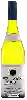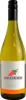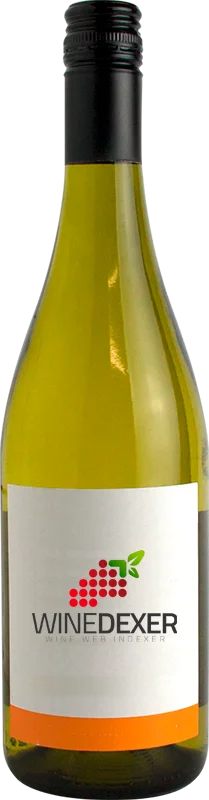
Domaine LejeuneMeursault 'Les Grands Charrons'
 White wine



In the mouth this white wine is a powerful.
This wine generally goes well with rich fish (salmon, tuna etc), shellfish or mild and soft cheese.

Taste structure of the Meursault 'Les Grands Charrons' from the Domaine Lejeune
Light | Bold | |
Dry | Sweet | |
Soft | Acidic |
In the mouth the Meursault 'Les Grands Charrons' of Domaine Lejeune in the region of Burgundy is a powerful.
Food and wine pairings with Meursault 'Les Grands Charrons'
Pairings that work perfectly with Meursault 'Les Grands Charrons'



Original food and wine pairings with Meursault 'Les Grands Charrons'


The Meursault 'Les Grands Charrons' of Domaine Lejeune matches generally quite well with dishes of pasta, rich fish (salmon, tuna etc) or shellfish such as recipes of spaghetti with summer vegetables, cod "bacalhau a gomes de sa or zarzuela mayonapo.
Details and technical informations about Domaine Lejeune's Meursault 'Les Grands Charrons'.
Discover the grape variety: Chardonnay
Whites with many faces: mineral and taut at Chablis (lemon, green apple, flint), opulent and buttery at Meursault and Puligny-Montrachet (hazelnut, brioche, yellow fruits), tense and chalky in Champagne (Blanc de Blancs). Also vinified sparkling and widely exported (Sonoma, Margaret River, Casablanca). A Burgundian variety, a cross of Pinot Noir × Gouais Blanc, half-sibling of Aligoté.
Informations about the Domaine Lejeune
The Domaine Lejeune is one of of the world's great estates. It offers 30 wines for sale in the of Meursault to come and discover on site or to buy online.

The wine region of Meursault
Burgundian summit of ample great whites: signature Chardonnay reigns exclusively in whites — green-gold with bronze glints, rich and unctuous with almond, toasted hazelnut, honey, candied citrus, hawthorn, lime blossom and a flinty mineral signature, richness and chiselled acidity, barrel-aged. Exceptional power-freshness balance and great ageing (8-15 years). Village AOC (1937, ~400 ha) south of Beaune, limestone marls. Renowned Premiers Crus (Perrières, Genevrières, Charmes).
The wine region of Burgundy
Absolute reference for great terroir wines: opulent, mineral Chardonnay in whites (chiselled Chablis, buttery Meursault, majestic Montrachet), fine and silky Pinot Noir in reds (full-bodied Gevrey, structured Pommard, delicate Volnay). Exceptional age-worthy wines with complex notes - red fruits, undergrowth, butter, hazelnut. Some lively Aligoté and light Gamay (Mâconnais). 29,500 ha, 84 tiered AOCs (Régionale, Village, 1er Cru, Grand Cru), 1,247 UNESCO Climats.
The word of the wine: Free-run wine
The free-run wine is the wine that flows out of the vat by gravity at the time of running off. The marc soaked in wine is then pressed to extract a rich and tannic wine. Free-run wine and press wine are then aged separately and eventually blended by the winemaker in proportions defined according to the type of wine being made.