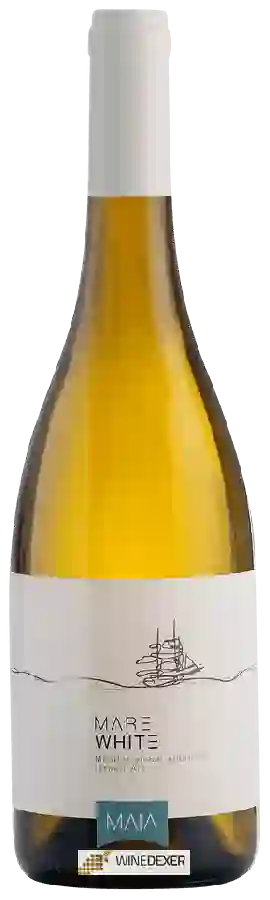
Winery MaiaMare White
 White wine



This wine is a blend of 2 varietals which are the Colombard and the Marsanne.
This wine generally goes well with pork and shellfish.

Wine flavors and olphactive analysis





On the nose the Mare White of Winery Maia in the region of Galilee often reveals types of flavors of earth, tree fruit or spices and sometimes also flavors of citrus fruit, tropical fruit.
Food and wine pairings with Mare White
Pairings that work perfectly with Mare White


Original food and wine pairings with Mare White
The Mare White of Winery Maia matches generally quite well with dishes of pork or shellfish such as recipes of croziflette or fideuà (paella with pasta and fish).
Discover the grape variety: Colombard
Lively, aromatic whites with sharp acidity and a brisk palate, with aromas of citrus (grapefruit, lime), exotic fruits (passion fruit, mango), boxwood, nectarine and herbal notes. Typically crisp finish. Pillar of Côtes de Gascogne IGP (modern aromatic dry whites) and historically the base spirit for Cognac and Armagnac distillation. Exported to South Africa and California. Charentes variety, a cross of chenin × gouais blanc.
Last vintages of this wine
The best vintages of Mare White from Winery Maia are 2016, 2014, 2018, 2017 and 2015.
Informations about the Winery Maia
The Winery Maia is one of of the world's greatest estates. It offers 9 wines for sale in the of Galilee to come and discover on site or to buy online.

The wine region of Galilee
Israel's wine heartland in the north, a benchmark quality zone. Powerful, structured reds with signature notes of ripe blackcurrant, blackberry, dark chocolate, herbes de Provence and spices, firm tannins and a sun-soaked palate. Dominant international grapes: dense Cabernet Sauvignon, round Merlot, peppery Syrah and colourful Petit Verdot. Round Chardonnay and lively Sauvignon Blanc whites.
The word of the wine: Bleeding
Old practice for red wines. As soon as the vat is filled with grapes, the tap is opened. A sweet but clear juice escapes from the vat (it can also be used to make rosé). The colour and density of the juice is enhanced, but it should not be overdone. Rarely more than 10% of the volume of a vat, otherwise you risk losing fruit and bringing in bitterness.