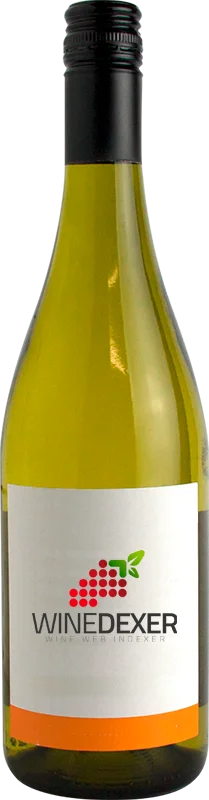
Winery M. ChapoutierMuscat de Rivesaltes
 Natural sweet wine


This wine generally goes well with spicy food and sweet desserts.

Food and wine pairings with Muscat de Rivesaltes
Pairings that work perfectly with Muscat de Rivesaltes


Original food and wine pairings with Muscat de Rivesaltes
The Muscat de Rivesaltes of Winery M. Chapoutier matches generally quite well with dishes of spicy food or sweet desserts such as recipes of thai basil chicken or rice with milk.
Details and technical informations about Winery M. Chapoutier's Muscat de Rivesaltes.
Discover the grape variety: Fruhroter Veltliner
Structured and full dry whites with a pale, slightly rosé golden robe, an ample palate and moderate acidity, with signature aromas of almond, ripe yellow fruits (pear, peach, apricot), white flowers (acacia) and mineral notes. A sun-drenched profile appreciated in characterful artisanal cuvées. Grown mainly in Lower Austria (Kamptal, Wagram), rarer than Grüner Veltliner. Native Austrian grey grape, an early-ripening reddish-skinned mutation of Roter Veltliner.
Informations about the Winery M. Chapoutier
The Winery M. Chapoutier is one of wineries to follow in Muscat de Rivesaltes.. It offers 225 wines for sale in the of Muscat de Rivesaltes to come and discover on site or to buy online.

The wine region of Muscat de Rivesaltes
Star AOC of Roussillon's Vins Doux Naturels: Muscat a Petits Grains and Muscat of Alexandria as signatures in equal parts in sweet whites — pale gold robe with green or pinkish glints, dazzling signature aromas of peach, lemon, mango, fresh grape, rose and mint, unctuous palate preserved by mutage with alcohol. Amber evolution with age toward honey, candied apricot and spices. AOC, ~4,400 ha across 99 communes, varied soils (granite, schist, limestone), Mediterranean and Muscat de Noel.
The wine region of Languedoc-Roussillon
Largest single French vineyard, dominated by sunny, generous reds. Spicy Syrah, candied Grenache (ripe fruit, garrigue), structured Carignan, deep Mourvèdre, supple Cinsault. Stars: structured Corbières, Minervois, Faugères, Saint-Chinian; round Côtes-du-Roussillon. Legendary vins doux naturels: Banyuls and Maury (fortified Grenache) with notes of cocoa, fig, prune.
The word of the wine: Merrain
Oak wood split into planks used to make the barrel.