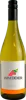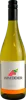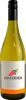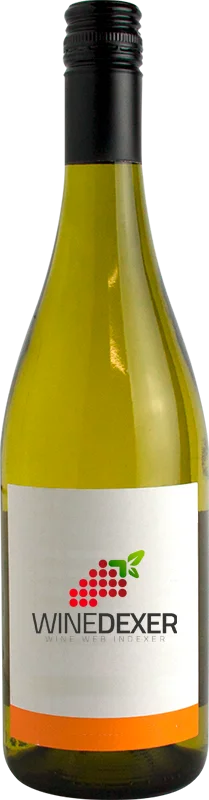
Winery Ludger VeitRéserve Weissburgunder
 White wine


In the mouth this white wine is a powerful with a nice freshness.
This wine generally goes well with rich fish (salmon, tuna etc), shellfish or mild and soft cheese.
Taste structure of the Réserve Weissburgunder from the Winery Ludger Veit
Light | Bold | |
Dry | Sweet | |
Soft | Acidic |
In the mouth the Réserve Weissburgunder of Winery Ludger Veit in the region of Mosel is a powerful with a nice freshness.
Food and wine pairings with Réserve Weissburgunder
Pairings that work perfectly with Réserve Weissburgunder



Original food and wine pairings with Réserve Weissburgunder

The Réserve Weissburgunder of Winery Ludger Veit matches generally quite well with dishes of rich fish (salmon, tuna etc), shellfish or mild and soft cheese such as recipes of penne with smoked salmon and crème fraiche, scallops with cream or pella.
Details and technical informations about Winery Ludger Veit's Réserve Weissburgunder.
Discover the grape variety: Bobal
This grape variety is widely cultivated in Spain under the name béni carlo. It was introduced into the Languedoc-Roussillon region of Narbonne around 1870.
Last vintages of this wine
The best vintages of Réserve Weissburgunder from Winery Ludger Veit are 0
Informations about the Winery Ludger Veit
The Winery Ludger Veit is one of of the world's great estates. It offers 63 wines for sale in the of Mosel to come and discover on site or to buy online.

The wine region of Mosel
Mosel is the most famous of Germany's 13 official wine regions, and also the third largest in terms of production. As with many German regions, it is most aasociated with a range of wine styles made from the Riesling grape variety, but Müller-Thurgau is also widely planted. The best Mosel Riesling wines are some of the finest whites in the world. Light and low in Alcohol, they can be intensely fragrant with beguiling Floral">floral and Mineral notes, and a wonderful Balance of sweetness and Acidity.
The word of the wine: Cryo-extraction
This technique was very popular at the end of the 80's in Sauternes, a little less so now. The grapes are frozen before pressing, and the water transformed into ice remains in the marc, only the sugar flows out. As with the concentrators, the "cryo" can also increase bad taste and greenness.