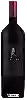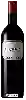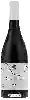
Winery Lucien CosteGalion d'Or
 Red wine
This wine generally goes well with beef, veal or pasta.
Food and wine pairings with Galion d'Or
Pairings that work perfectly with Galion d'Or



Original food and wine pairings with Galion d'Or
The Galion d'Or of Winery Lucien Coste matches generally quite well with dishes of beef, pasta or veal such as recipes of braised beef with guinness, ham lasagness or tête de veau sauce moi.
Details and technical informations about Winery Lucien Coste's Galion d'Or.
Discover the grape variety: Meslier Saint François
Meslier Saint François is a French grape variety that comes from the Gatinais, located south of the Paris basin. It was obtained from a cross between Chenin and Gouais Blanc. It is planted on a surface area of 50 ha in France and is often confused with Arbois, hence the synonym it shares with the latter, Orbois. Its berries and clusters are of normal size. Its adult leaves have convex teeth. Meslier Saint François is not very vigorous, but it remains fertile. It buds early, 3 days before Chasselas. It is often exposed to spring frosts and is susceptible to oidium and grey rot. Meslier Saint François produces flat, light wines with little alcohol. When distilled, its eaux de vie are full of bouquet and fine. It can thus be used in the blending of grape varieties that produce cognac or armagnac.
Informations about the Winery Lucien Coste
The Winery Lucien Coste is one of wineries to follow in Pays d'Oc.. It offers 10 wines for sale in the of Pays d'Oc to come and discover on site or to buy online.

The wine region of Pays d'Oc
Pays d'Oc is the PGI for red, white and rosé wines that are produced over a wide area of the southern coast of France. The PGI catchment area corresponds roughly to the Languedoc-roussillon">Languedoc-Roussillon wine region, one of the largest wine regions in France. The area covers all wines that are not produced under the strict laws that govern AOC-level appellations in the regions: among them, Corbières, Minervois and the Languedoc appellation itself. The Pays d'Oc PGI is arguably the most important in France, producing the majority of the country's PGI wines.
The word of the wine: Sour
Said of a wine that is unpleasantly pungent and has a vinegar-like odour.