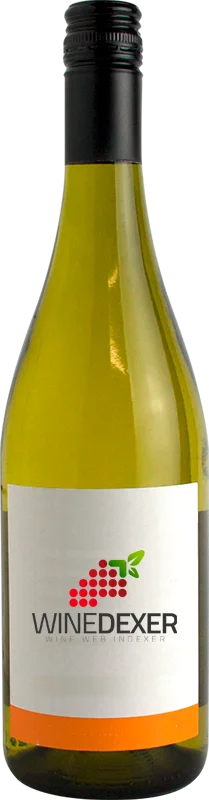
Winery Lucien CosteLes Costes Viognier
 White wine
This wine generally goes well with pork, poultry or rich fish (salmon, tuna etc).
Food and wine pairings with Les Costes Viognier
Pairings that work perfectly with Les Costes Viognier



Original food and wine pairings with Les Costes Viognier

The Les Costes Viognier of Winery Lucien Coste matches generally quite well with dishes of pork, rich fish (salmon, tuna etc) or spicy food such as recipes of baked pumpkin, quick smoked salmon croque-monsieur or baked sea bream.
Details and technical informations about Winery Lucien Coste's Les Costes Viognier.
Discover the grape variety: Viognier
White Viognier is a grape variety that originated in France (Rhone Valley). It produces a variety of grape specially used for wine making. It is rare to find this grape to eat on our tables. This variety of grape is characterized by small bunches, and grapes of small size. White Viognier can be found in many vineyards: South West, Languedoc & Roussillon, Cognac, Bordeaux, Rhone Valley, Burgundy, Jura, Champagne, Savoie & Bugey, Provence & Corsica, Loire Valley, Beaujolais.
Informations about the Winery Lucien Coste
The Winery Lucien Coste is one of of the world's greatest estates. It offers 10 wines for sale in the of Pays d'Oc to come and discover on site or to buy online.

The wine region of Pays d'Oc
Pays d'Oc is the PGI for red, white and rosé wines that are produced over a wide area of the southern coast of France. The PGI catchment area corresponds roughly to the Languedoc-roussillon">Languedoc-Roussillon wine region, one of the largest wine regions in France. The area covers all wines that are not produced under the strict laws that govern AOC-level appellations in the regions: among them, Corbières, Minervois and the Languedoc appellation itself. The Pays d'Oc PGI is arguably the most important in France, producing the majority of the country's PGI wines.
The word of the wine: Ancestral method
A method of making certain sparkling wines such as blanquette de Limoux, sparkling gaillac or clairette de Die, which consists of a second fermentation in the bottle based on natural sugars and yeasts naturally brought by the grapes (unlike the méthode champenoise, which requires the addition of tirage liquor).