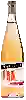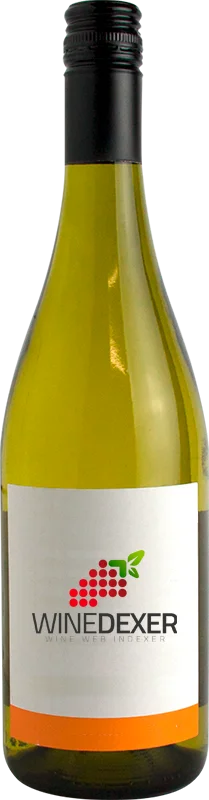
Winery Love & SqualorSauvignon Blanc
 White wine



This wine generally goes well with vegetarian, rich fish (salmon, tuna etc) or shellfish.
Wine flavors and olphactive analysis


On the nose the Sauvignon Blanc of Winery Love & Squalor in the region of Oregon often reveals types of flavors of citrus fruit.
Food and wine pairings with Sauvignon Blanc
Pairings that work perfectly with Sauvignon Blanc



Original food and wine pairings with Sauvignon Blanc
The Sauvignon Blanc of Winery Love & Squalor matches generally quite well with dishes of rich fish (salmon, tuna etc), shellfish or vegetarian such as recipes of baked salmon mediterranean style, pasta with shrimp or light tuna-tomato quiche (without cream).
Details and technical informations about Winery Love & Squalor's Sauvignon Blanc.
Discover the grape variety: Guillemot
Most certainly from Béarn. It should not be confused with the blancard - or palougue - because they both have the same synonym coer de baco. The Guillemot is practically no longer present in the vineyard and is therefore on the verge of extinction. According to published genetic analyses, it is the result of a natural cross between the Manseng Noir and the Verjuice. For more information on other relatives, click here !
Last vintages of this wine
The best vintages of Sauvignon Blanc from Winery Love & Squalor are 0, 2013
Informations about the Winery Love & Squalor
The Winery Love & Squalor is one of of the world's greatest estates. It offers 12 wines for sale in the of Willamette Valley to come and discover on site or to buy online.

The wine region of Willamette Valley
The wine region of Willamette Valley is located in the region of Oregon of United States. We currently count 717 estates and châteaux in the of Willamette Valley, producing 2296 different wines in conventional, organic and biodynamic agriculture. The wines of Willamette Valley go well with generally quite well with dishes .
The wine region of Oregon
Oregon, located in the Pacific Northwest of the United States, is one of the youngest and most promising wine regions in the world. The state put itself on the international wine map in the late 1960s and has been building its position ever since. Production volumes have remained relatively quiet. The 2017 Oregon Vineyards and Wineries report recorded just under 34,000 acres (13,750 hectares) of planted vineyards.
The word of the wine: Yeast
Micro-organisms at the base of all fermentative processes. A wide variety of yeasts live and thrive naturally in the vineyard, provided that treatments do not destroy them. Unfortunately, their replacement by laboratory-selected yeasts is often the order of the day and contributes to the standardization of the wine. Yeasts are indeed involved in the development of certain aromas.