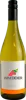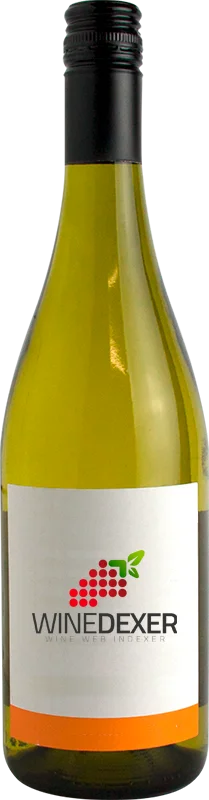
Winery Louis ChavronSauvignon
 White wine


In the mouth this white wine is a powerful.
This wine generally goes well with vegetarian, poultry or lean fish.

Taste structure of the Sauvignon from the Winery Louis Chavron
Light | Bold | |
Dry | Sweet | |
Soft | Acidic |
In the mouth the Sauvignon of Winery Louis Chavron in the region of Pays d'Oc is a powerful.
Food and wine pairings with Sauvignon
Pairings that work perfectly with Sauvignon



Original food and wine pairings with Sauvignon


The Sauvignon of Winery Louis Chavron matches generally quite well with dishes of pasta, vegetarian or poultry such as recipes of three ways to prepare chinese noodles, goat cheese and bacon quiche or quick cider chicken.
Details and technical informations about Winery Louis Chavron's Sauvignon.
Discover the grape variety: Négrette
Supple, perfumed reds with a deep ruby robe, smooth tannins and a round palate, with intense, characteristic aromas of violet, red fruit (raspberry, blackcurrant), liquorice, soft spice and peppery notes. Gourmand finish; best young or short ageing. The near-exclusive star of Fronton AOC north of Toulouse (minimum 50% in blends), also made as expressive rosés. Autochthonous South-West French variety, possibly brought from Cyprus by the Knights Hospitaller.
Last vintages of this wine
The best vintages of Sauvignon from Winery Louis Chavron are 2013
Informations about the Winery Louis Chavron
The Winery Louis Chavron is one of of the world's great estates. It offers 32 wines for sale in the of Pays d'Oc to come and discover on site or to buy online.

The wine region of Pays d'Oc
The single-grape IGP par excellence: modern, accessible, frank and fruity wines, the popular signature of the Midi. Spicy Syrah reds (pepper, blackberry), round Merlot, structured Cabernet, generous Grenache, supple Cinsault. Crisp, tangy rosés. Opulent Chardonnay whites, lively Sauvignon, floral, apricoty Viognier.
The word of the wine: Tiled
Said of the colour of an evolved wine that has taken on brick and orange hues.