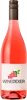
Winery Louis ChatelGrande Réserve Sable de Camargue Gris
 Pink wine
This wine generally goes well with vegetarian, appetizers and snacks or lean fish.

Food and wine pairings with Grande Réserve Sable de Camargue Gris
Pairings that work perfectly with Grande Réserve Sable de Camargue Gris



Original food and wine pairings with Grande Réserve Sable de Camargue Gris


The Grande Réserve Sable de Camargue Gris of Winery Louis Chatel matches generally quite well with dishes of pasta, vegetarian or appetizers and snacks such as recipes of macaroni and angel hair gratin, salmon and goat cheese quiche or beet hummus dip.
Details and technical informations about Winery Louis Chatel's Grande Réserve Sable de Camargue Gris.
Discover the grape variety: Silcher
Aromatic and lively whites to drink young, with a pale golden robe, an airy palate with preserved acidity on muscat-like aromas, white flowers, citrus (lemon) and floral notes. Also as off-dry wines. Grown on very small surfaces in Germany, remains confidential and appreciated for dry and off-dry aromatic wines. German white variety bred at Geisenheim (Riesling × Bukettrebe), late and productive.
Informations about the Winery Louis Chatel
The Winery Louis Chatel is one of of the world's greatest estates. It offers 11 wines for sale in the of Sable de Camargue to come and discover on site or to buy online.

The wine region of Sable de Camargue
Coastal AOP of the Gulf of Lion (grey and gris de gris wines only, 2022 decree): Grenache Gris (grey de gris single-variety exclusive) with Grenache Noir, Carignan, Cinsault, Syrah, Mourvèdre, Marselan, Muscat d'Alexandrie, Ugni Blanc, Vermentino — salmon-hued colour, supple, round and fresh, iodine maritime notes, aromas of white fruits, citrus, exotic floral and mineral touches. Coastal dune sands.
The wine region of Pays d'Oc
The single-grape IGP par excellence: modern, accessible, frank and fruity wines, the popular signature of the Midi. Spicy Syrah reds (pepper, blackberry), round Merlot, structured Cabernet, generous Grenache, supple Cinsault. Crisp, tangy rosés. Opulent Chardonnay whites, lively Sauvignon, floral, apricoty Viognier.
The word of the wine: Wine vinegar
Product of acetic fermentation of wine.