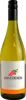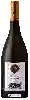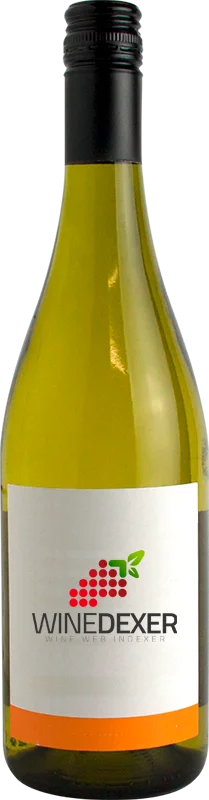
Winery LongitudReserva Sauvignon Blanc
 White wine


In the mouth this white wine is a with a nice freshness.
This wine generally goes well with vegetarian, shellfish or goat cheese.

Taste structure of the Reserva Sauvignon Blanc from the Winery Longitud
Light | Bold | |
Dry | Sweet | |
Soft | Acidic |
In the mouth the Reserva Sauvignon Blanc of Winery Longitud in the region of Central Valley is a with a nice freshness.
Food and wine pairings with Reserva Sauvignon Blanc
Pairings that work perfectly with Reserva Sauvignon Blanc



Original food and wine pairings with Reserva Sauvignon Blanc
The Reserva Sauvignon Blanc of Winery Longitud matches generally quite well with dishes of shellfish, vegetarian or goat cheese such as recipes of brasucade of mussels from languedoc, zucchini and goat cheese quiche or salmon steak with goat cheese, fine herbs and mustard.
Details and technical informations about Winery Longitud's Reserva Sauvignon Blanc.
Discover the grape variety: Sweet Sapphire
Seedless (pip-free) table grape with long clusters and very elongated cylindrical blue-black berries with thin skin and crunchy flesh, sweet and fresh on the palate. Grown in California, China and Spain for export markets, prized for its striking elongated shape that catches the eye at premium counters. American black seedless table grape variety bred for fresh consumption.
Last vintages of this wine
The best vintages of Reserva Sauvignon Blanc from Winery Longitud are 0
Informations about the Winery Longitud
The Winery Longitud is one of of the world's great estates. It offers 27 wines for sale in the of Central Valley to come and discover on site or to buy online.

The wine region of Central Valley
Heart of modern Chilean wine: structured, sunny reds, dense, blackcurranty Cabernet Sauvignon from Maipo (Chilean cradle of the grape), signature Carménère with notes of ripe pepper, black fruit and sweet spices from Colchagua, supple Merlot and deep Syrah. Round Chardonnay whites and lively, sharp Sauvignon. Mediterranean climate, 400 km between Andes and Pacific. Star sub-regions: Maipo, Cachapoal, Colchagua, Curicó, Maule.
The word of the wine: Muscat blanc à petits grains
A white grape variety cultivated since antiquity on the shores of the Mediterranean, it is considered the noblest of the muscats. It is mainly used to make sweet wines, often from mutage. In France, it is the sole variety used in many natural sweet wines: muscat-de-frontignan, muscat-de-mireval, muscat-de-lunel, muscat-de-saint-jean-de-minervois, muscat-de-beaumes-de-venise, muscat-du-cap-corse. Combined with Muscat d'Alexandrie, it gives Muscat-de-Rivesaltes. It is also used to make sparkling white wines (clairette-de-die; moscato d'asti and asti spumante in Italy) and dry wines (alsace-muscat). Powerfully aromatic and complex, its wines evoke fresh grapes, roses, exotic fruits, citrus fruits and spices.