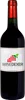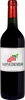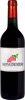
Winery LombardiniC'era Una Volta Lambrusco di Sorbara Rosso Secco
 wine
wine
This wine generally goes well with
The C'era Una Volta Lambrusco di Sorbara Rosso Secco of the Winery Lombardini is in the top 0 of wines of Emilia-Romagna.

Details and technical informations about Winery Lombardini's C'era Una Volta Lambrusco di Sorbara Rosso Secco.
Discover the grape variety: Troyen
Simple, fresh dry whites with a pale golden colour, a supple palate with moderate acidity, and understated aromas of citrus and white flowers. Discreet Champenois profile. Nearly extinct, preserved in varietal collections for its heritage value, it belongs to the ancient grape varieties of Champagne and the Aube studied for their genetic and historical interest. A rare French white grape variety once cultivated in Champagne and the Aube.
Last vintages of this wine



The best vintages of C'era Una Volta Lambrusco di Sorbara Rosso Secco from Winery Lombardini are 0
Informations about the Winery Lombardini
The Winery Lombardini is one of of the world's greatest estates. It offers 19 wines for sale in the of Emilia-Romagna to come and discover on site or to buy online.

The wine region of Emilia-Romagna
Kingdom of Lambrusco: fresh, fruity sparkling reds (blackberry, cherry, violet), from gourmet dry to convivial off-dry, perfect with local charcuterie. World's best-selling sparkling wine on the Emilia side (Sorbara, Grasparossa, Salamino). East, Romagna: supple fruity Sangiovese, Albana (Italy's 1st white DOCG, 1987) ample and almondy. Also red Gutturnio and white Pignoletto.
The word of the wine: Pigeage
Operation consisting of a vertical treading to push the cap of marc into the wine, which promotes extraction. Pigeage can be carried out mechanically with jacks that plunge into the vat. Traditionally, it is the men who go down into the vats and push the cap by trampling it.