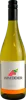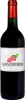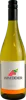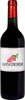
Winery LoHerDelirio
 wine
wine
This wine generally goes well with
The Delirio of the Winery LoHer is in the top 0 of wines of Tacoronte-Acentejo.
Details and technical informations about Winery LoHer's Delirio.
Discover the grape variety: Thompson seedless
Most certainly finding its first origins in Persia, today Iran. It is registered in the Official Catalogue of table grape varieties list A1. Note that the variety gora chirine, also finding its first origins in Iran (Azerbaijan), is a mutation of the Sultanine, its berries of white or pink color being slightly larger.
Last vintages of this wine


The best vintages of Delirio from Winery LoHer are 0, 2018
Informations about the Winery LoHer
The Winery LoHer is one of of the world's greatest estates. It offers 9 wines for sale in the of Tacoronte-Acentejo to come and discover on site or to buy online.

The wine region of Tacoronte-Acentejo
The wine region of Tacoronte-Acentejo is located in the region of Iles Canaries of Spain. Wineries and vineyards like the Domaine Bodegas Buten - Crater or the Domaine Marba produce mainly wines red, white and pink. The most planted grape varieties in the region of Tacoronte-Acentejo are Merlot, Tempranillo and Cabernet-Sauvignon, they are then used in wines in blends or as a single variety. On the nose of Tacoronte-Acentejo often reveals types of flavors of oaky, earthy or blackberry and sometimes also flavors of non oak, earth or oak.
The wine region of Iles Canaries
The archipelago of the Canary Islands (or Las Canarias) is an autonomous community of Spain located in the North Atlantic Ocean, 110 km from the west coast of Morocco. The wine trade there is far from famous - few local wines come out of the Canary Islands - but there is a Long and unique wine tradition in the region. The spectacularly high Canary Islands are located at a latitude of about 28°N, making it the most tropical wine region in Europe. It was thanks to this position, once traversed by naval trade routes, that the local wine industry flourished, shortly after the islands came under Spanish control in the early 15th century.
The word of the wine: Erinosis
Generally benign condition caused by a very small mite. The infested leaves show blisters on the upper surface, sometimes reddish, sometimes green, to which corresponds on the lower surface a dense felting, first pinkish white, then brownish or reddish.